Choosing the right packaging material is an important part of running a successful business. Whether you sell clothing, electronics, cosmetics, food, glassware, or handmade products, the packaging you use can affect how safely your products reach customers.
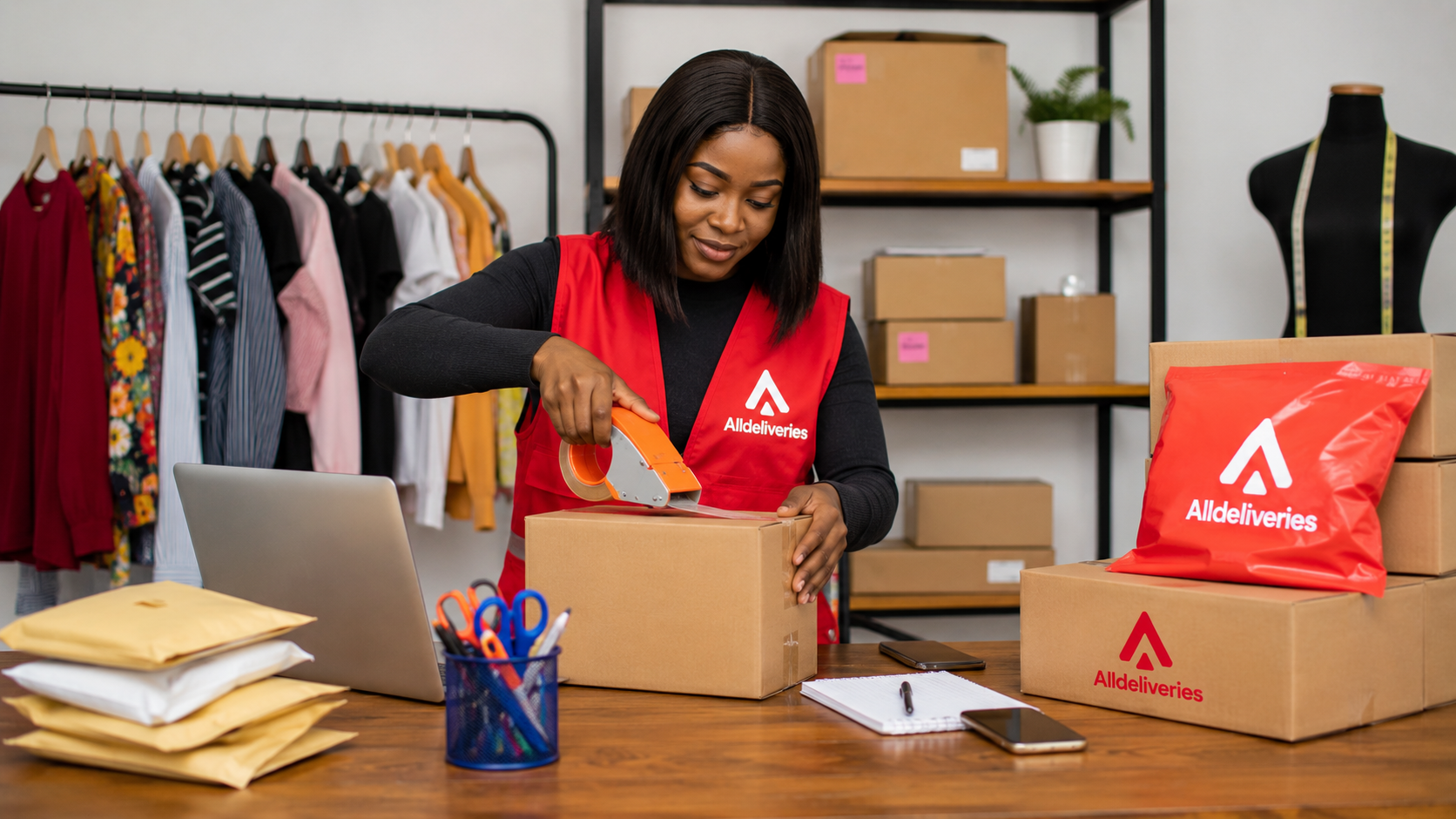
Good packaging protects products from damage, moisture, dirt, pressure, and movement during transportation. It can also improve the customer's unboxing experience and strengthen the professional image of your business.
However, there is no single packaging material that is suitable for every product. The best option depends on the product's size, weight, shape, fragility, value, and sensitivity to environmental conditions.
Services You May Like
Here are some of the best packaging materials for different types of products.
1. Cardboard Boxes for General Products
Cardboard boxes are among the most versatile packaging options for businesses.
They are suitable for products such as:
- Shoes
- Books
- Household products
- Accessories
- Small electronics
- Toys
- General retail products
Cardboard boxes provide protection from external pressure and make products easier to stack and transport.
Choose a box that is strong enough for the product and large enough to accommodate suitable protective material without leaving excessive empty space.
2. Bubble Wrap for Fragile Products
Bubble wrap is useful for protecting items that can easily break or scratch during transportation.
It is commonly used for:
- Glassware
- Ceramics
- Small electronics
- Decorative items
- Mirrors and other delicate products
Wrap fragile products completely and secure the material so it does not come loose during transportation.
For particularly delicate products, bubble wrap can be combined with other cushioning materials and a strong outer box.
3. Foam for Electronics and Delicate Items
Foam provides cushioning and can help protect products from impact and movement.
It can be useful for:
- Electronics
- Cameras
- Computer components
- Screens
- Precision equipment
- Delicate accessories
The type and thickness of foam should depend on the product and the level of protection required.
For sensitive electronics, packaging should also account for moisture and static electricity where applicable.
4. Poly Mailers for Clothing and Soft Products
Poly mailers are lightweight plastic mailing bags commonly used for products that do not require rigid protection.
They are suitable for:
- T-shirts
- Dresses
- Trousers
- Bags
- Soft accessories
- Other non-fragile clothing items
They are lightweight, easy to store, and can help protect products from dirt and moisture.
However, poly mailers are generally not suitable for fragile products that can be crushed or broken.
5. Paper Mailers for Lightweight Products
Paper-based mailers can be a practical option for lightweight, non-fragile products.
They can be used for:
- Clothing
- Documents
- Books
- Printed materials
- Small accessories
They are particularly useful for businesses looking for packaging with a paper-based construction.
However, the packaging should be appropriate for the product's exposure to moisture and the conditions it may encounter during delivery.
6. Corrugated Boxes for Heavier Products
Corrugated boxes are made from layers of paperboard and provide more structural protection than many lightweight packaging options.
They are useful for:
- Appliances
- Multiple-product orders
- Shoes
- Household goods
- Heavier retail products
For heavier products, select a box with an appropriate strength rating rather than assuming that any cardboard box will provide enough protection.
7. Air Pillows for Filling Empty Space
Air pillows can be used inside boxes to reduce movement and provide cushioning.
They are suitable for:
- Electronics
- Cosmetics
- Small household products
- Retail orders containing multiple items
They work best when used to fill appropriate gaps around products rather than as the only protection for highly fragile items.
8. Packing Paper for General Cushioning
Packing paper is a simple material that can help cushion products and fill empty spaces inside boxes.
It can be useful for:
- Books
- Clothing
- Homeware
- Small retail products
- Some fragile items when used correctly
Crumpled paper can help prevent products from moving around inside a package.
For highly fragile products, however, additional protective materials may be necessary.
9. Corrugated Inserts for Glass and Ceramics
Corrugated inserts can separate individual products inside a box.
They are particularly useful for:
- Glass bottles
- Cups
- Plates
- Ceramic products
- Other breakable items
Separating products prevents them from hitting one another during transportation.
For fragile items, combine inserts with suitable cushioning and a strong outer box.
10. Leak-Resistant Packaging for Liquids
Products containing liquids require packaging that helps prevent leakage.
Examples include:
- Liquid cosmetics
- Cleaning products
- Oils
- Certain personal-care products
Depending on the product, businesses may use:
- Secure containers
- Sealed bags
- Leak-resistant inner packaging
- Absorbent material where appropriate
- Strong outer packaging
Always make sure the packaging is suitable for the particular liquid and complies with applicable transportation requirements.
11. Jars and Containers for Cosmetics
Cosmetic products require packaging that protects both the product and its container.
For creams, lotions, powders, and similar products, businesses can use:
- Secure product containers
- Protective boxes
- Bubble wrap where appropriate
- Sealed outer packaging
Glass cosmetic containers require additional cushioning because they can break during transportation.
12. Insulated Packaging for Temperature-Sensitive Products
Some products can be affected by temperature changes and may require insulated packaging.
Depending on the product and delivery conditions, this can include:
- Insulated liners
- Thermal containers
- Cold packs
- Temperature-control packaging
This type of packaging is particularly important for products that must remain within a specific temperature range.
Businesses should follow the product manufacturer's storage requirements and applicable transportation rules.
13. Tamper-Evident Packaging for Security
Some businesses use tamper-evident packaging to make unauthorized opening easier to identify.
It can be useful for products where security is particularly important, such as:
- Certain cosmetics
- Small electronics
- High-value accessories
- Sealed retail products
Tamper-evident packaging can also give customers greater confidence when receiving their orders.
14. Rigid Mailers for Documents and Flat Items
Rigid mailers provide additional protection against bending.
They are useful for:
- Certificates
- Photographs
- Printed materials
- Artwork
- Important documents
For valuable or highly sensitive documents, additional protective measures may be appropriate.
15. Padded Envelopes for Small Delicate Products
Padded envelopes provide cushioning without requiring a full-sized box.
They can work well for:
- Small accessories
- Jewellery boxes
- Small electronic accessories
- Lightweight delicate products
However, they should not automatically be used for products that require rigid structural protection.
Choosing Packaging Based on the Product
The best packaging material depends on what you are shipping.
| Product Type | Suitable Packaging Options |
|---|---|
| Clothing | Poly mailer, paper mailer, cardboard box |
| Shoes | Cardboard or corrugated box |
| Books | Cardboard box, rigid mailer |
| Electronics | Corrugated box, foam, protective inserts |
| Glassware | Corrugated box, bubble wrap, inserts, cushioning |
| Ceramics | Strong box, cushioning, protective inserts |
| Cosmetics | Product container, box, protective wrapping |
| Documents | Rigid mailer, document envelope |
| Small accessories | Padded envelope, mailer, small box |
| Liquids | Secure container, leak-resistant inner packaging, strong outer box |
| Temperature-sensitive products | Insulated packaging appropriate to the required temperature range |
The table provides general guidance. Businesses should always consider the specific product, transportation conditions, and applicable packaging requirements.
How to Choose the Right Packaging Material
When selecting packaging, consider these factors.
Product Fragility
Fragile products need more cushioning and structural protection than durable products.
Product Weight
Heavy products require stronger packaging to prevent the box from collapsing or tearing.
Product Size and Shape
Packaging should fit the product appropriately while leaving enough space for necessary protection.
Moisture Sensitivity
Products that can be damaged by water may need moisture-resistant inner or outer packaging.
Delivery Distance
Long-distance deliveries may involve more handling, making stronger protective packaging important.
Cost
Packaging should protect the product without unnecessarily increasing fulfilment costs.
Customer Experience
Clean, secure, and professional packaging can create a better impression when the customer receives an order.
Common Packaging Mistakes to Avoid
Even good packaging materials can be ineffective when used incorrectly.
Avoid:
- Using boxes that are too large without enough cushioning.
- Using weak boxes for heavy products.
- Leaving fragile items loose inside packages.
- Placing breakable items directly against each other.
- Using inadequate protection for liquids.
- Reusing damaged boxes.
- Sealing packages poorly.
- Using packaging that is unsuitable for the product.
The goal is not simply to use more packaging. It is to use the right packaging in the right way.
Packaging Should Protect the Product First
While attractive packaging can improve the customer experience, protection should remain the primary goal.
A beautifully branded package is not useful if the product arrives broken, leaking, bent, or damaged.
Businesses should first make sure the packaging can withstand the expected delivery conditions. Branding and presentation can then be added without compromising product protection.
Final Thoughts
The best packaging material depends on the product being delivered. Clothing may need little more than a suitable mailer, while fragile glassware may require a strong box, cushioning, and internal separation.
Choosing the right packaging can reduce product damage, minimize returns, improve customer satisfaction, and protect your business reputation.
Before shipping an order, consider the product's fragility, weight, size, moisture sensitivity, and delivery conditions. With the right combination of packaging materials and proper packing techniques, businesses can give their products a much better chance of arriving safely and professionally.
Comments
No comments yet. Be the first to comment.