For fashion businesses, delivery is an important part of the customer experience. A customer may love a clothing item, pair of shoes, bag, or accessory, but the overall experience can quickly become disappointing if the order arrives late, damaged, poorly packaged, or in the wrong size.
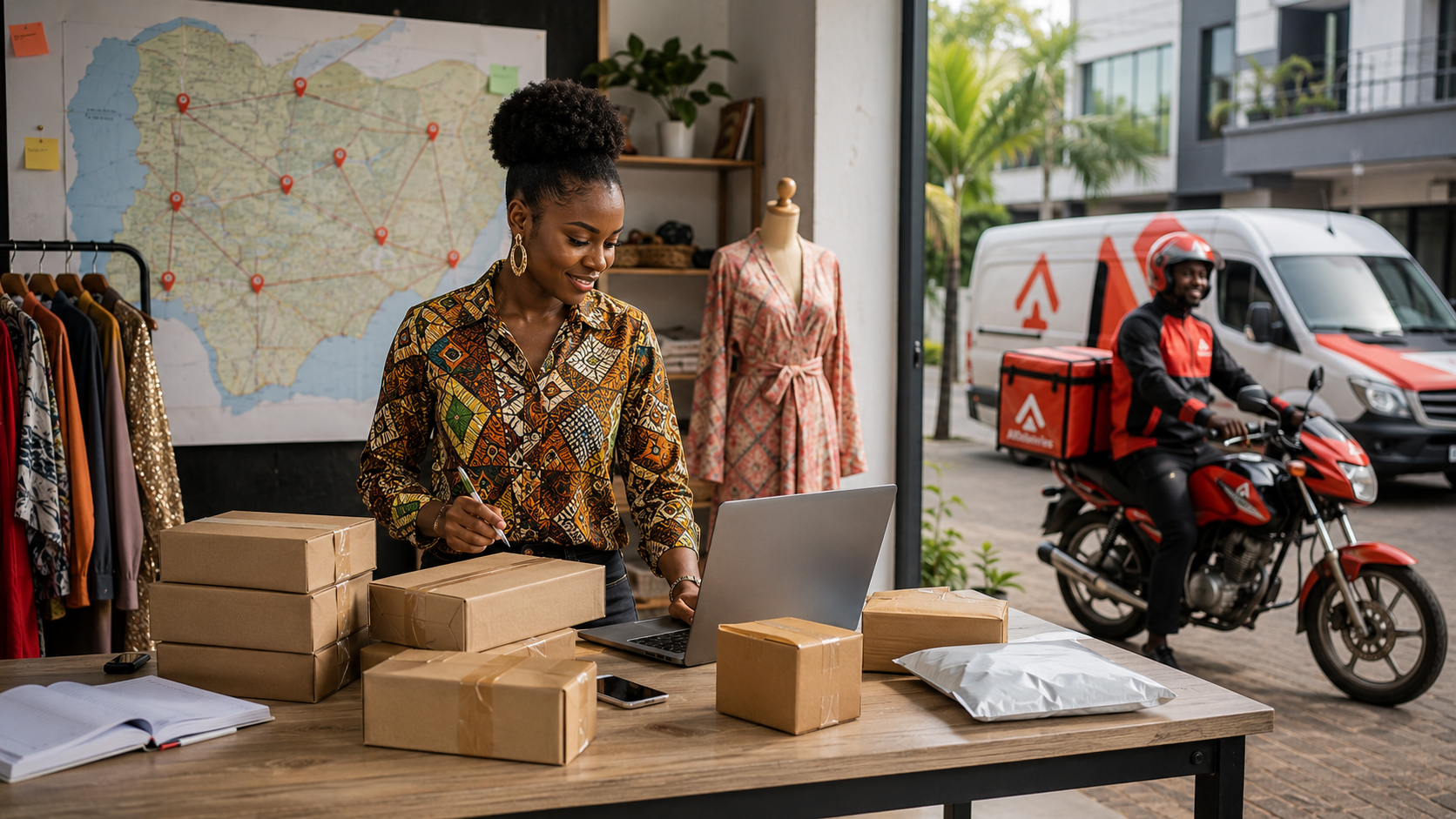
This is especially important for fashion businesses that sell through social media, websites, and online marketplaces. Since customers cannot physically inspect products before ordering, a smooth and reliable delivery process can help build confidence and encourage repeat purchases.
From choosing suitable packaging to working with a dependable delivery partner, there are several ways fashion businesses can improve their delivery process.
Services You May Like
1. Use Suitable Packaging for Fashion Products
Fashion products generally do not require the same type of packaging as fragile goods, but they still need protection during transportation.
Clothing can be packaged in:
-
Durable poly mailers.
-
Paper-based mailers.
-
Protective bags.
-
Cardboard boxes for structured or premium items.
Shoes and structured bags may benefit from boxes that help prevent crushing or deformation.
The packaging should protect products from dirt, moisture, and unnecessary handling damage.
2. Protect Clothing From Moisture and Dirt
Clothing can easily become stained or damp if it is not properly protected.
Consider placing garments inside a suitable inner bag before putting them into the outer delivery packaging.
This provides an additional layer of protection against:
-
Rain.
-
Dust.
-
Moisture.
-
Accidental spills.
Extra protection is particularly useful when deliveries may be exposed to unpredictable weather conditions.
3. Fold and Pack Clothes Properly
How clothing is packed can affect its appearance when the customer receives it.
Fold garments neatly and avoid unnecessarily compressing them.
For premium fashion products, businesses can also use:
-
Tissue paper.
-
Branded wrapping.
-
Protective garment bags.
-
Thank-you cards.
A neat package creates a better first impression and can improve the unboxing experience.
4. Confirm the Customer's Size and Product Details
Fashion orders often involve size, colour, style, and other product variations.
Before dispatch, confirm that the package contains the correct:
-
Product.
-
Size.
-
Colour.
-
Quantity.
-
Style.
A simple order check can prevent avoidable exchanges, returns, and customer complaints.
5. Double-Check Delivery Addresses
Incorrect delivery information can cause delays and failed deliveries.
Ask customers to provide:
-
Full name.
-
Active phone number.
-
Complete delivery address.
-
Area or neighbourhood.
-
City and state.
-
Nearby landmark where necessary.
For difficult-to-locate areas, additional directions can help the delivery person find the customer more easily.
6. Provide Accurate Delivery Estimates
Customers want to know when their fashion orders will arrive, especially when they are buying items for events or specific occasions.
Avoid promising delivery times that cannot realistically be achieved.
Instead, provide an estimated timeframe based on:
-
Customer location.
-
Order processing time.
-
Delivery distance.
-
Courier availability.
-
Expected delivery conditions.
Consistently meeting realistic delivery expectations helps build customer trust.
7. Work With a Reliable Delivery Partner
A fashion business can package an order perfectly and still provide a poor customer experience if the delivery partner is unreliable.
When choosing a courier, consider:
-
Delivery speed.
-
Reliability.
-
Coverage area.
-
Tracking availability.
-
Customer support.
-
Package handling.
-
Pricing.
The cheapest option is not always the best option if it regularly causes delays or failed deliveries.
8. Offer Delivery Tracking
Tracking allows customers to monitor their orders without repeatedly contacting the business.
Customers can receive updates when their orders are:
-
Processed.
-
Dispatched.
-
In transit.
-
Out for delivery.
-
Delivered.
Tracking improves transparency and gives customers greater confidence in the buying process.
9. Keep Customers Updated
Communication is especially important when delivery plans change.
Send customers relevant updates about:
-
Order confirmation.
-
Dispatch.
-
Delivery progress.
-
Delays.
-
Successful delivery.
If an unexpected delay occurs, inform the customer as soon as possible rather than allowing them to discover the problem themselves.
10. Make Returns and Exchanges Easy to Understand
Fashion businesses often deal with size-related exchanges and product returns.
Customers should be able to understand the business's:
-
Return policy.
-
Exchange conditions.
-
Time limits.
-
Required steps.
-
Delivery responsibilities.
A clear process can reduce confusion and make customers more comfortable ordering online.
11. Prepare for Fashion Returns
Returns should be considered when designing the delivery process.
When products are sent in reusable packaging where practical, customers may have an easier time returning items.
Businesses should also inspect returned products before restocking them to ensure they meet the required condition.
12. Offer Convenient Delivery Options
Different fashion customers have different needs.
Where practical, businesses can offer options such as:
-
Standard delivery.
-
Express delivery.
-
Scheduled delivery.
-
Pickup options.
Giving customers a choice allows them to select the delivery method that best fits their needs and budget.
13. Use Packaging to Strengthen Your Brand
Packaging can be part of a fashion brand's identity.
Businesses can incorporate branding through:
-
Branded mailers.
-
Stickers.
-
Thank-you cards.
-
Branded tissue paper.
-
Simple product inserts.
The packaging does not need to be expensive. A clean and consistent presentation can make a business look more professional.
14. Keep Delivery Costs Transparent
Unexpected delivery fees can discourage customers from completing purchases.
Clearly communicate:
-
Delivery charges.
-
Areas covered.
-
Available delivery options.
-
Any applicable additional fees.
Customers are more likely to trust a business when delivery costs are clearly explained before they place an order.
15. Inspect Every Order Before Dispatch
A final quality check can prevent many delivery-related problems.
Before dispatching an order, confirm:
-
The correct item was selected.
-
The size is correct.
-
The colour is correct.
-
The product is free from defects.
-
The package is properly sealed.
-
The customer's details are accurate.
This simple process can reduce costly returns and complaints.
16. Protect Shoes and Structured Accessories
Shoes, handbags, hats, and other structured fashion products may require additional protection.
Depending on the product, consider:
-
Individual protective bags.
-
Tissue paper.
-
Shoe boxes.
-
Cardboard inserts.
-
Appropriate outer boxes.
The objective is to prevent crushing, scratches, stains, and deformation during transportation.
17. Have a Plan for Failed Deliveries
Sometimes customers may be unavailable when a delivery person arrives.
Businesses should have a clear procedure for handling failed attempts.
This may involve:
-
Contacting the customer.
-
Confirming the delivery address.
-
Arranging another delivery attempt.
-
Providing an alternative delivery location where appropriate.
A clear process can reduce unnecessary delivery costs and customer frustration.
Common Delivery Mistakes Fashion Businesses Should Avoid
Fashion businesses should avoid:
-
Sending the wrong size or colour.
-
Using poor-quality packaging.
-
Providing incomplete addresses to couriers.
-
Failing to communicate delivery delays.
-
Making unrealistic delivery promises.
-
Ignoring return and exchange concerns.
-
Using unreliable delivery partners.
-
Charging unexpected delivery fees.
-
Failing to inspect products before dispatch.
Avoiding these mistakes can create a much smoother shopping experience.
Benefits of Better Delivery for Fashion Businesses
Improving delivery can help fashion businesses achieve:
Higher Customer Satisfaction
Customers are more likely to be happy when orders arrive on time and in excellent condition.
More Repeat Purchases
A smooth delivery experience gives customers another reason to shop with the business again.
Fewer Returns and Complaints
Accurate order preparation and proper packaging can prevent avoidable problems.
Better Reviews
Satisfied customers are more likely to leave positive feedback.
Stronger Brand Reputation
Professional delivery helps demonstrate that a fashion business is organized and trustworthy.
Final Thoughts
Delivery is a major part of the customer experience for fashion businesses. From clothing and shoes to handbags and accessories, every product should be packaged appropriately, checked carefully, and delivered through a reliable service.
Fashion businesses can improve delivery by confirming order details, protecting products from moisture and damage, providing accurate delivery estimates, keeping customers informed, and making returns and exchanges straightforward.
A great fashion product deserves an equally great delivery experience. When businesses make delivery reliable, convenient, and professional, they can build customer trust and encourage more people to return.
Comments
No comments yet. Be the first to comment.