For food vendors, delivery is more than transporting an order from one location to another. It is an important part of the customer's overall experience.
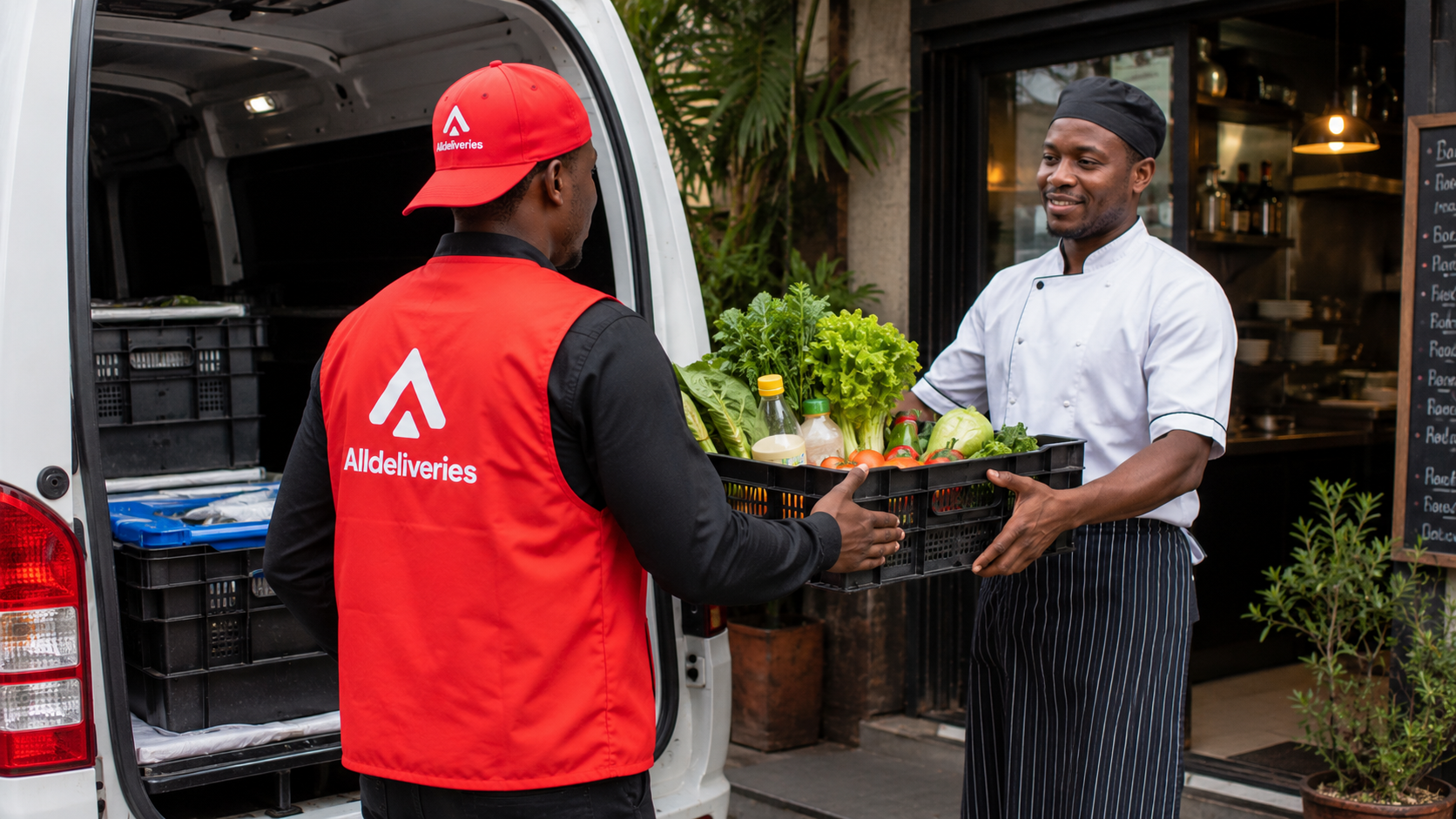
A meal may be freshly prepared and carefully presented, but if it arrives late, cold, spilled, or incomplete, the customer may be disappointed. Poor delivery can lead to complaints, refunds, negative reviews, and lost repeat business.
Food vendors can avoid many of these problems by creating a delivery process that focuses on food safety, suitable packaging, accurate orders, timely dispatch, and clear communication.
Services You May Like
Whether you operate a restaurant, catering business, home-based food business, or food brand that accepts orders online, the following tips can help improve your delivery service.
1. Use Food-Appropriate Packaging
Food packaging should protect the meal during transportation while being suitable for the type of food being delivered.
Consider the food's:
-
Temperature.
-
Texture.
-
Moisture level.
-
Quantity.
-
Size.
-
Risk of spilling.
For example, soups and sauces require secure containers, while fried foods may require packaging that helps prevent excessive moisture from making them soggy.
The packaging should be sturdy enough to withstand normal handling during delivery.
2. Keep Hot Food Hot and Cold Food Cold
Temperature management is an important part of food delivery.
Hot foods should be kept hot, while foods that require refrigeration should remain appropriately chilled throughout the delivery process.
Depending on the food and applicable food-safety requirements, vendors may use suitable insulated containers or delivery bags to help maintain temperature.
Food should also not be left sitting for unnecessarily long periods before dispatch.
3. Seal Containers Properly
Spilled food can ruin an otherwise good delivery experience.
Before handing an order to a delivery person, check that:
-
Food containers are properly closed.
-
Sauce containers are secure.
-
Bottles are tightly sealed.
-
Packaging is not damaged.
-
Items are positioned securely.
For foods with a high risk of leakage, an additional protective layer may be appropriate.
4. Separate Foods That Can Affect Each Other
Some foods should not be packaged together because their temperature, moisture, or texture requirements differ.
For example, keeping hot and cold items separated can help preserve their intended qualities.
Similarly, sauces, soups, and drinks may need separate containers to reduce the risk of spills.
Proper separation helps food arrive in better condition.
5. Label Orders Clearly
When handling multiple orders, clear labeling helps prevent mix-ups.
Labels can include:
-
Customer name.
-
Order number.
-
Key order details.
-
Delivery location.
-
Special handling information where necessary.
Before dispatch, compare the label with the actual order to make sure the correct meal is going to the correct customer.
6. Double-Check Every Order Before Dispatch
Incorrect orders are a common source of customer dissatisfaction.
Before sending out an order, confirm:
-
Food items.
-
Quantities.
-
Drinks.
-
Sauces.
-
Cutlery where requested.
-
Special instructions.
-
Customer details.
A quick final check can prevent avoidable complaints and replacement costs.
7. Dispatch Orders Promptly
Food quality can deteriorate when meals sit for too long before delivery.
Prepare orders according to your operational process and coordinate dispatch efficiently.
Reducing unnecessary waiting time can help customers receive meals closer to their intended quality.
8. Choose a Reliable Delivery Partner
The delivery partner can have a major effect on the customer's experience.
When selecting a delivery service, consider:
-
Reliability.
-
Delivery coverage.
-
Speed.
-
Communication.
-
Tracking capabilities.
-
Experience handling food orders.
A delivery provider that regularly causes delays can negatively affect the food vendor's reputation, even when the food was prepared correctly.
9. Use Suitable Delivery Bags
Insulated delivery bags can help protect food from temperature changes and provide additional structure during transportation.
The bag should be clean, appropriately sized, and suitable for the type of food being delivered.
Avoid overcrowding food containers, as excessive pressure can cause spills or damage.
10. Provide Accurate Delivery Information
Delivery personnel need accurate customer information to complete orders successfully.
Collect:
-
Customer's name.
-
Active phone number.
-
Complete address.
-
Area or neighbourhood.
-
Relevant landmarks.
-
Special delivery instructions.
Accurate information reduces delays and failed delivery attempts.
11. Keep Customers Updated
Customers appreciate knowing what is happening with their food.
Useful updates can include:
-
Order confirmed.
-
Food being prepared.
-
Order ready for dispatch.
-
Rider has collected the order.
-
Delivery is in progress.
-
Order delivered.
If an unexpected delay occurs, inform the customer as soon as possible.
Good communication can help manage expectations and maintain trust.
12. Provide Realistic Delivery Estimates
Avoid promising delivery times that are difficult to achieve.
Consider:
-
Food preparation time.
-
Distance.
-
Traffic.
-
Delivery partner availability.
-
Expected order volume.
It is better to provide a realistic timeframe and meet it consistently than to promise extremely fast delivery and disappoint customers.
13. Plan Delivery Routes Efficiently
Efficient routing can help reduce unnecessary travel time.
Where appropriate, consider:
-
Customer locations.
-
Traffic conditions.
-
Order readiness.
-
Delivery priorities.
-
Distance between stops.
Better route planning can help reduce delays and improve delivery efficiency.
14. Protect Food From Contamination
Food should be protected from unnecessary exposure during preparation, packaging, and transportation.
Use clean packaging and ensure food is handled according to applicable food-safety requirements.
Delivery bags and reusable containers should also be cleaned and maintained appropriately.
15. Make Special Instructions Easy to Follow
Customers may provide specific instructions about their orders or delivery locations.
Examples may include:
-
No particular ingredient where the vendor can accommodate the request.
-
Specific drop-off instructions.
-
Preferred contact method.
-
Building or office information.
Make sure relevant instructions are communicated to the appropriate staff or delivery personnel.
16. Have a Plan for Delivery Delays
Traffic, weather, high order volumes, and other unexpected circumstances can cause delays.
Food vendors should have a process for handling such situations.
If a delay occurs:
-
Identify the problem.
-
Contact the customer promptly.
-
Provide an updated delivery estimate.
-
Coordinate with the delivery partner.
-
Resolve the issue as efficiently as possible.
Customers are generally more understanding when they receive timely and honest updates.
17. Handle Customer Complaints Professionally
Even with a good delivery system, mistakes can happen.
When a customer complains:
-
Listen carefully.
-
Respond promptly.
-
Avoid unnecessary arguments.
-
Confirm what went wrong.
-
Offer an appropriate solution.
A professional response can help turn a negative experience into an opportunity to regain the customer's trust.
18. Monitor Delivery Performance
Food vendors should regularly review their delivery performance.
Useful metrics may include:
-
Average delivery time.
-
Failed deliveries.
-
Late deliveries.
-
Order errors.
-
Customer complaints.
-
Refunds or replacements.
Reviewing this information can reveal recurring problems and help the business improve.
Common Delivery Mistakes Food Vendors Should Avoid
Food vendors should avoid:
-
Using packaging that leaks easily.
-
Sending incomplete orders.
-
Mixing incompatible food items.
-
Leaving prepared food waiting unnecessarily.
-
Using unreliable delivery partners.
-
Providing unrealistic delivery estimates.
-
Ignoring customer delivery instructions.
-
Failing to communicate delays.
-
Using dirty or poorly maintained delivery equipment.
Avoiding these mistakes can improve both food quality and customer satisfaction.
Benefits of Improving Food Delivery
A reliable delivery process can help food vendors achieve:
Higher Customer Satisfaction
Customers are more likely to enjoy their meals when orders arrive in good condition and within the expected timeframe.
More Repeat Orders
A smooth experience encourages customers to order again.
Better Reviews
Satisfied customers are more likely to share positive feedback.
Fewer Refunds and Replacements
Accurate orders and proper packaging can reduce avoidable losses.
Stronger Brand Reputation
Consistent delivery performance helps customers view the business as professional and dependable.
Final Thoughts
For food vendors, delivery is an extension of the product itself. A well-prepared meal can lose its appeal if it arrives late, spills during transportation, or reaches the customer in poor condition.
Food vendors can improve delivery by using suitable packaging, protecting food appropriately, checking orders before dispatch, choosing reliable delivery partners, providing accurate delivery information, and keeping customers informed.
The goal is simple: prepare the food properly, protect it during transportation, and make sure it reaches the right customer in the best possible condition.
A dependable delivery experience can help food vendors build trust, earn repeat customers, and grow their businesses.
Comments
No comments yet. Be the first to comment.