When you send a package, knowing that it has left the pickup location isn't enough. You also need confidence that it reached the correct destination and was received successfully.
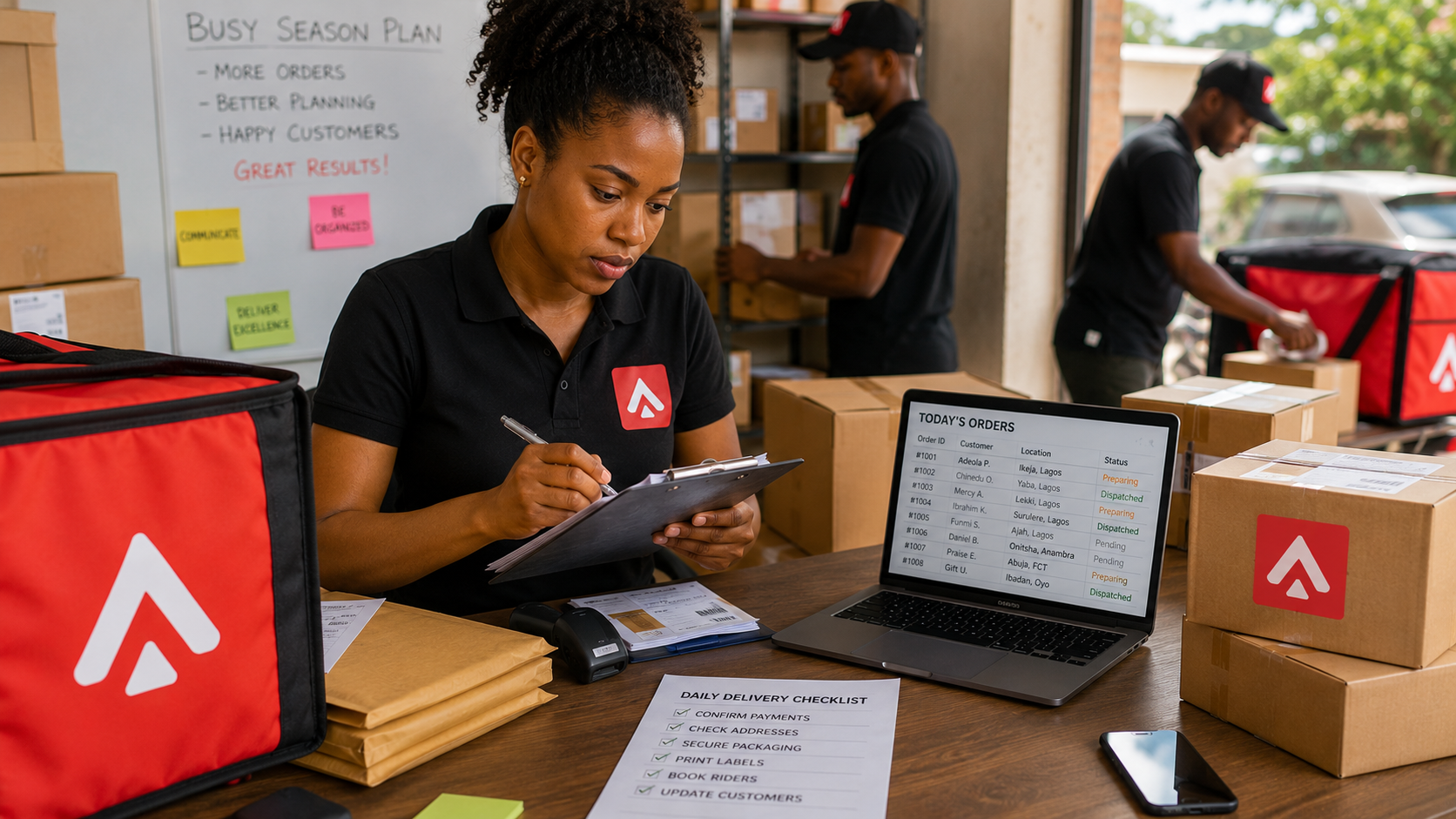
This is where proof of delivery (POD) becomes important.
Proof of delivery creates a record showing that a shipment reached its destination. Depending on the courier service, this record may include a recipient's signature, name, delivery time, photograph, GPS data, or electronic confirmation.
Services You May Like
For both individuals and businesses, proof of delivery provides greater transparency and can help resolve questions about whether, when, and where a package was delivered.
Here's how it works and why it matters.
What Is Proof of Delivery?
Proof of delivery is documentation or electronic evidence created when a shipment is delivered.
Its purpose is to record that the courier completed the delivery. The exact information collected varies between logistics companies and delivery types.
A proof-of-delivery record may contain:
- Recipient's name
- Recipient's signature
- Date of delivery
- Time of delivery
- Delivery location
- Photograph of the delivered package
- One-Time Password (OTP) confirmation
- Electronic delivery confirmation
- Courier or driver information
Not every delivery service uses all of these methods.
How Does Proof of Delivery Work?
When a courier reaches the delivery location, the recipient may be required to complete a verification step before or during handover.
For example, the recipient might sign electronically or provide an OTP sent to their registered phone number.
Once the delivery has been completed, the information is recorded in the courier's system.
The shipment status can then be changed to Delivered, creating a record of the completed transaction.
1. Proof of Delivery Confirms That a Package Arrived
The most obvious benefit of POD is confirmation.
Without proof of delivery, a sender may know that a parcel was dispatched but have limited information about what happened at the final destination.
A delivery record can show:
- When the package arrived
- Where it was delivered
- Who received it, where recorded
- How delivery was confirmed
This provides greater visibility for both the sender and recipient.
2. It Helps Resolve Delivery Disputes
Imagine a customer says an order wasn't delivered, but the courier's tracking system says it was.
What happens next?
Proof of delivery provides information that can be reviewed as part of an investigation.
For example, the courier may examine:
- Recipient signature
- Delivery photograph
- Delivery timestamp
- Recorded location
- Name of the person who accepted the parcel
This doesn't automatically settle every dispute, but it gives the courier, sender, and customer useful evidence for determining what happened.
3. It Can Reduce Wrong-Person Deliveries
Some proof-of-delivery systems require the recipient to verify the delivery before receiving the package.
An OTP is a common example.
The recipient receives a temporary code, which is then provided to the courier at delivery.
This additional verification can help reduce the risk of handing a package to an unauthorized person.
However, recipients should only provide a delivery OTP when appropriate and should treat such codes carefully.
4. It Creates a Clear Delivery Record
A delivery record can be particularly valuable when sending:
- Business documents
- Customer orders
- Electronics
- Medical supplies
- Important personal items
- High-value goods
If a question arises later, the sender doesn't have to rely solely on memory or verbal confirmation.
There is a recorded delivery event that can be reviewed.
5. It Helps Customers Identify Delivery Problems Quickly
Suppose tracking says your parcel was delivered at 2:15 p.m., but you didn't receive anything.
Proof-of-delivery information may help identify what happened.
For example, you may discover that:
- A colleague received the parcel.
- A family member accepted it.
- It was delivered to a reception desk.
- The recorded location does not appear to match the intended destination.
This information gives you a clearer starting point when contacting the courier.
6. It Provides Greater Transparency
Transparency is an important part of a reliable delivery service.
Customers want to know what is happening to their packages from pickup to final delivery.
Tracking shows the shipment's progress, while proof of delivery helps document the final stage.
Together, these systems create greater visibility throughout the delivery journey.
Different Types of Proof of Delivery
Courier companies may use several methods.
Signature Confirmation
The recipient signs a physical document or electronic device when accepting the package.
The signature becomes part of the delivery record.
OTP Verification
A One-Time Password may be sent to the recipient's registered phone number.
The recipient provides the code to confirm the delivery.
This method can help verify that the courier is handing over the package as intended.
Photographic Proof
The courier takes a photograph associated with the completed delivery.
The usefulness of photographic proof depends on what the photograph shows and the courier's procedures.
Electronic Confirmation
The courier's mobile application records completion of the delivery.
The system may capture information such as:
- Date
- Time
- Delivery status
- Other delivery details
Recipient Name
The courier may record the name of the person who accepted the shipment.
This is particularly useful when packages are delivered to offices, apartment buildings, or locations where someone other than the named recipient may be authorized to receive them.
Proof of Delivery vs Package Tracking
Proof of delivery and package tracking are related, but they are not the same thing.
Package tracking shows the progress of a shipment.
It may display statuses such as:
- Picked up
- In transit
- At sorting facility
- Out for delivery
- Delivered
Proof of delivery, on the other hand, provides information relating specifically to the completion of the delivery.
Tracking tells you the shipment's status. Proof of delivery provides a record associated with the final handover or delivery event.
Why Proof of Delivery Matters for Online Shoppers
When buying something online, customers may pay before physically receiving their products.
This makes delivery transparency particularly important.
Proof of delivery can help customers verify that their order reached the specified destination.
If something goes wrong, the delivery record may also provide useful information when contacting the seller or courier.
Why Proof of Delivery Matters for Businesses
For businesses, delivery doesn't end when an order leaves the warehouse.
The transaction isn't truly complete until the customer's order reaches its intended destination.
Proof of delivery helps businesses:
- Monitor completed orders
- Investigate customer complaints
- Maintain delivery records
- Identify recurring logistics problems
- Improve customer service
For businesses processing many orders, electronic POD systems can also make record-keeping considerably easier.
What Should You Do If Proof of Delivery Looks Incorrect?
If your shipment is marked as delivered but the proof-of-delivery information doesn't appear correct, contact the courier promptly.
Before doing so:
- Check with family members or colleagues who may have accepted the package.
- Check reception or security personnel where applicable.
- Verify the delivery address on your order.
- Review any available delivery photograph or recipient information.
- Keep your tracking number and booking information available.
If you still cannot locate the package, report the issue and ask the courier to investigate.
Does Proof of Delivery Guarantee That Nothing Can Go Wrong?
No.
Proof of delivery is an important record, but it doesn't make delivery errors impossible.
For example, disputes can still occur if a package is:
- Delivered to the wrong address
- Accepted by an unauthorized person
- Recorded incorrectly
- Damaged before delivery
- Missing despite a delivery notification
This is why courier companies may need to investigate disputed deliveries even when POD information exists.
Proof of delivery should be viewed as useful evidence rather than an absolute guarantee.
How Customers Can Make Deliveries More Secure
Customers can also take steps to improve delivery security.
Before receiving a shipment:
- Provide an accurate delivery address.
- Use an active telephone number.
- Inform the courier about important access instructions.
- Make sure someone is available to receive valuable packages.
- Check the package before confirming receipt when appropriate.
- Keep tracking and order information until the transaction is complete.
For valuable shipments, ask the courier what verification and proof-of-delivery options are available.
Frequently Asked Questions
What does proof of delivery mean?
Proof of delivery is a record indicating that a shipment was delivered. It may include information such as the delivery time, recipient's name, signature, photograph, OTP verification, or electronic confirmation.
Is a tracking status of "Delivered" the same as proof of delivery?
Not necessarily. "Delivered" is a tracking status, while proof of delivery may provide additional information about the completed delivery.
Can I request proof of delivery?
This depends on the courier company and service selected. Some companies make POD information automatically available, while others provide it upon request or only for certain delivery services.
What should I do if someone else received my package?
If the person was authorized to receive it, there may be no problem. If you don't recognize the person identified in the delivery record, contact the courier for clarification.
What if my package says delivered but I cannot find it?
Check with people at the delivery location, verify your address, and review any available proof-of-delivery information. If the package remains missing, contact the courier promptly.
Final Thoughts
Proof of delivery is an important part of modern logistics because it creates a record of the final stage of a shipment's journey.
Signatures, OTP verification, photographs, timestamps, and electronic confirmations can provide useful evidence that helps customers and businesses understand what happened during delivery.
While proof of delivery cannot prevent every possible problem, it improves transparency, supports investigations, and can help resolve disputes more efficiently.
When choosing a courier for important shipments, reliable tracking and appropriate proof-of-delivery options are valuable features to consider.
Comments
No comments yet. Be the first to comment.