Delivering fragile items successfully requires more than simply placing a product inside a box and sending it to a customer. Items such as glassware, electronics, ceramics, cosmetics, artwork, and delicate accessories need extra protection to survive transportation.
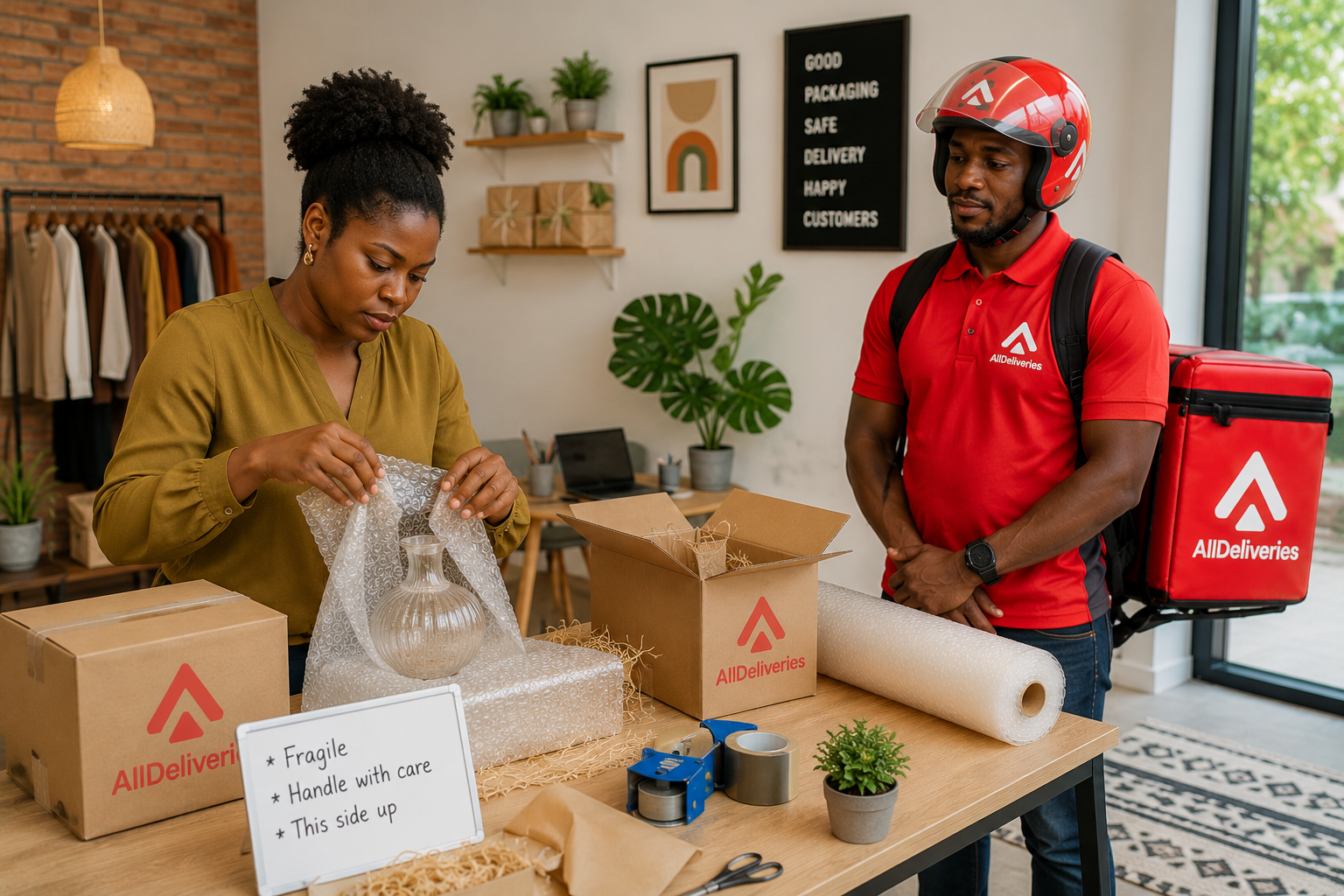
A damaged package can lead to customer complaints, refunds, negative reviews, and financial losses for businesses. Proper packaging helps reduce these risks while ensuring customers receive their orders in excellent condition.
For e-commerce businesses, small sellers, and online brands, learning how to package fragile items correctly is an important part of providing a reliable delivery experience.
Services You May Like
Why Proper Packaging Matters for Fragile Items
Fragile products are more vulnerable to damage during transportation because they can break, crack, scratch, or become unusable when exposed to impact or pressure.
During delivery, packages may experience:
- Sudden movements.
- Drops and impacts.
- Stacking pressure.
- Rough handling.
- Temperature changes.
- Moisture exposure.
Proper packaging creates a protective barrier between the product and these risks.
Good packaging helps businesses:
- Reduce damaged deliveries.
- Avoid unnecessary replacement costs.
- Improve customer satisfaction.
- Protect brand reputation.
- Build customer trust.
1. Choose the Right Packaging Materials
The first step in protecting fragile items is selecting suitable packaging materials.
Using weak or inappropriate materials increases the risk of damage.
Common packaging materials for fragile items include:
Bubble Wrap
Bubble wrap provides cushioning by absorbing shocks and preventing direct impact.
It is useful for:
- Glass products.
- Electronics.
- Decorative items.
- Small delicate objects.
Packing Peanuts or Cushioning Materials
These materials fill empty spaces inside boxes and prevent items from moving during transportation.
Foam Sheets
Foam provides additional protection for products that need soft cushioning.
Strong Cardboard Boxes
A durable box helps protect the item from external pressure and impacts.
Packing Tape
Strong tape keeps packages securely closed throughout delivery.
Protective Wrapping
Materials such as paper, plastic wrap, or protective covers can provide an extra layer of safety.
2. Select the Correct Box Size
Choosing the right box is important for safe delivery.
A box that is too large leaves too much empty space, allowing the item to move around during transportation.
A box that is too small may place unnecessary pressure on the product.
The ideal box should:
- Fit the item comfortably.
- Allow room for cushioning materials.
- Prevent excessive movement.
- Provide enough protection around all sides.
The goal is to create a secure environment where the product stays in place.
3. Wrap Each Item Individually
When packaging multiple fragile items together, avoid placing them directly against each other.
Each item should be wrapped separately to prevent:
- Scratches.
- Cracks.
- Friction damage.
- Breakage from contact.
For example, when shipping multiple glass items, wrap each piece individually before placing them in the box.
Individual protection reduces the chance of damage during movement.
4. Use Enough Cushioning Material
One of the biggest mistakes businesses make is using too little protective material.
Fragile items need enough cushioning to absorb shocks.
Place cushioning:
- Under the item.
- Around the sides.
- Between multiple items.
- Above the product before sealing the box.
The item should not touch the inside walls of the box directly.
A properly cushioned package reduces the effect of impacts during transportation.
5. Prevent Movement Inside the Package
A fragile item should remain stable inside the box.
Before sealing the package:
- Shake it gently.
- Listen for movement.
- Add more cushioning if necessary.
If the item moves freely, it has a higher chance of being damaged.
A secure package should keep the product firmly positioned while still providing enough protection.
6. Use the Double-Box Method for Valuable Items
For extremely fragile or expensive products, using two boxes can provide extra protection.
The double-box method involves:
- Wrapping the product securely.
- Placing it inside a smaller box.
- Adding cushioning around the smaller box.
- Placing it inside a larger outer box.
This creates an additional protective layer against impact.
It is useful for:
- Expensive electronics.
- Artwork.
- Collectible items.
- High-value glass products.
7. Seal Packages Properly
A package should be securely sealed before delivery.
Use strong packing tape to close:
- The top opening.
- Bottom sections.
- Weak points on the box.
Avoid using poor-quality tape that may loosen during transportation.
A properly sealed package reduces the risk of opening, exposure, or product loss.
8. Label Fragile Packages Clearly
Clear labels help delivery handlers identify packages that require extra care.
Useful labels include:
- "Fragile."
- "Handle With Care."
- "This Side Up."
- "Keep Dry."
While labels do not guarantee special handling, they can provide useful information during transportation.
9. Protect Items From Moisture
Some fragile items can be damaged by water or humidity.
To protect against moisture:
- Use waterproof packaging where necessary.
- Seal products in plastic bags before boxing.
- Avoid leaving packages exposed to weather conditions.
This is especially important for:
- Electronics.
- Paper products.
- Clothing.
- Certain cosmetics.
10. Consider the Delivery Distance
Packaging requirements may depend on how far the product is traveling.
Long-distance deliveries may require stronger protection because packages experience more handling.
For longer journeys:
- Use stronger boxes.
- Add additional cushioning.
- Use more secure sealing.
- Consider extra protective layers.
The farther the package travels, the more preparation it may require.
11. Test Your Packaging Before Shipping
Before using a packaging method for customer orders, test it.
A simple test can help identify weaknesses.
Check:
- Does the item move inside the box?
- Is the cushioning enough?
- Can the box handle pressure?
- Are weak points properly protected?
Testing helps businesses improve packaging before real customer deliveries.
12. Choose a Reliable Delivery Partner
Even the best packaging can fail if handled poorly during transportation.
Work with delivery partners that have:
- Good handling practices.
- Reliable service.
- Tracking options.
- Experience with fragile items.
- Proper customer support.
A careful delivery partner helps protect products throughout the delivery journey.
13. Communicate With Customers
Customers appreciate knowing that their fragile orders are being handled carefully.
Businesses can improve trust by:
- Confirming order details.
- Providing delivery updates.
- Sharing handling information when necessary.
- Responding quickly to concerns.
Good communication improves the overall delivery experience.
Common Mistakes When Packaging Fragile Items
Many damaged deliveries happen because of avoidable mistakes.
Businesses should avoid:
Using Weak Boxes
Thin or damaged boxes may not provide enough protection.
Not Adding Enough Cushioning
Insufficient protection increases the chance of breakage.
Leaving Empty Space
Movement inside the package can cause damage.
Overpacking Without Protection
Simply filling a box does not guarantee safety. Materials must properly cushion the product.
Combining Fragile Items Without Separation
Items touching each other can scratch or break.
Ignoring Weather Protection
Moisture can damage certain products.
Packaging Tips for Different Fragile Products
Glass Items
- Wrap each piece separately.
- Use multiple cushioning layers.
- Fill empty spaces.
- Mark the package as fragile.
Electronics
- Use anti-static protection where needed.
- Protect screens and delicate parts.
- Prevent moisture exposure.
- Use strong boxes.
Ceramics
- Wrap corners and edges carefully.
- Use thick cushioning.
- Avoid movement inside the package.
Beauty Products
- Secure bottle caps and containers.
- Protect against leaks.
- Use sealed packaging.
Jewelry and Small Accessories
- Use protective cases.
- Secure small items to prevent movement.
- Place them inside additional packaging layers.
Benefits of Proper Fragile Item Packaging
Effective packaging provides several benefits:
Fewer Damaged Deliveries
Products are more likely to arrive safely.
Lower Business Costs
Businesses spend less on replacements and refunds.
Happier Customers
Customers receive products in good condition.
Better Reviews
A positive delivery experience encourages good feedback.
Stronger Brand Reputation
Reliable packaging shows professionalism and care.
Final Thoughts
Packaging fragile items properly is essential for businesses that want to provide safe and reliable deliveries. The right materials, secure wrapping, proper cushioning, and careful handling can significantly reduce the risk of damage.
A successful delivery does not end when a package leaves the business. It ends when the customer receives the product safely and in perfect condition.
By investing in quality packaging and reliable delivery processes, businesses can protect their products, reduce losses, and create better experiences that keep customers coming back.
Comments
No comments yet. Be the first to comment.