Shipping heavy items requires careful preparation. Unlike lightweight products, heavy packages can place significant pressure on their boxes and packaging materials. If they are not packaged properly, the package may tear, collapse, open during transportation, or cause damage to the product.
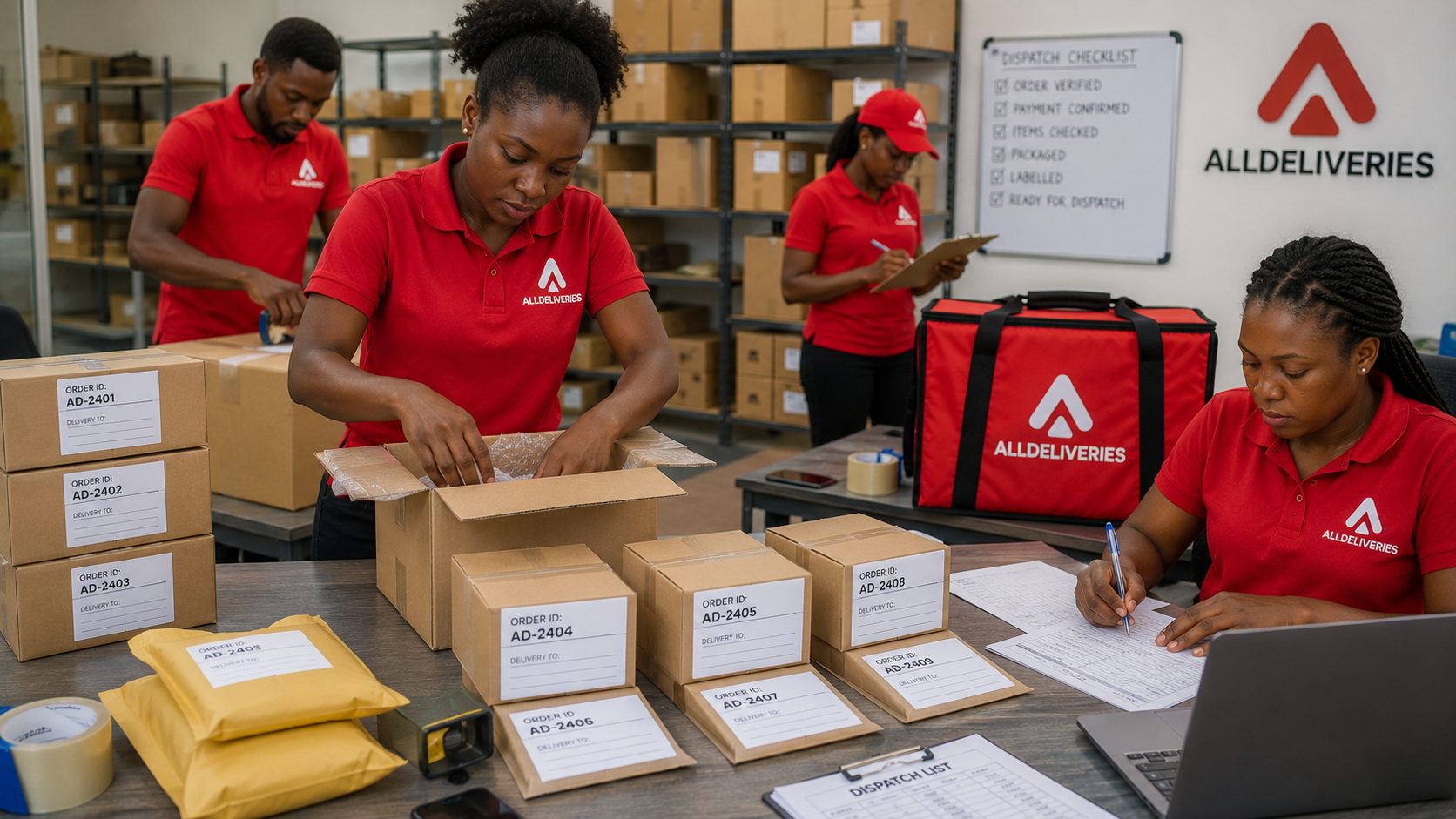
For businesses that sell appliances, equipment, tools, furniture parts, electronics, and other heavy products, proper packaging is essential for protecting both the item and the people handling it.
A good heavy-item packaging process should provide adequate structural support, distribute weight properly, prevent movement, and make the package safe to handle.
Services You May Like
Here are practical tips for packaging heavy items properly.
1. Choose a Strong Box
The outer box is one of the most important parts of heavy-item packaging.
Use a new, sturdy box that is appropriate for the item's weight and dimensions. Avoid boxes that are:
- Torn.
- Wet.
- Crushed.
- Previously weakened.
- Too small for the item.
A box designed for lightweight products may not have enough strength to support a heavy item.
For particularly heavy products, use packaging designed specifically for heavier loads.
2. Select the Right Box Size
A heavy item should fit properly inside its packaging.
A box that is too large can allow the item to move excessively, while a box that is too small may place unnecessary pressure on the product and make it difficult to add adequate protection.
Choose a box that provides enough space for:
- The product.
- Protective materials.
- Appropriate internal support.
Avoid leaving large amounts of empty space around a heavy item.
3. Strengthen the Bottom of the Box
The bottom of a heavy package carries most of the weight.
Before placing the product inside, reinforce the bottom appropriately with strong packing tape.
Pay particular attention to the seams and edges where the bottom panels meet.
A secure bottom helps prevent the package from opening or breaking when lifted.
4. Distribute the Weight Properly
Where possible, position the item so that its weight is distributed evenly across the bottom of the package.
Avoid placing a heavy product in a way that creates excessive pressure on one side of the box.
Proper weight distribution can make the package more stable and easier to handle.
5. Use Appropriate Internal Support
Heavy items may need internal supports to prevent them from shifting during transportation.
Depending on the product, suitable materials may include:
- Foam.
- Corrugated inserts.
- Protective blocks.
- Padded supports.
- Other purpose-designed cushioning materials.
The support should hold the product securely without putting excessive pressure on sensitive parts.
6. Prevent Movement Inside the Box
A heavy item moving inside a box can damage both the product and the packaging.
Fill appropriate empty spaces with suitable protective material.
Before sealing the package, gently test whether the product moves excessively.
If it does, improve the internal support.
The goal is to keep the item stable throughout transportation.
7. Protect Vulnerable Parts
Heavy products can still contain fragile components.
Examples include:
- Screens.
- Handles.
- Glass panels.
- Buttons.
- Corners.
- Cables.
- Control panels.
Identify the most vulnerable parts of the product and provide additional protection where necessary.
A strong box alone does not guarantee that delicate components will remain safe.
8. Wrap the Product Where Appropriate
Depending on the product, wrapping can provide an additional layer of protection against scratches, dirt, and minor impacts.
Suitable materials may include:
- Foam sheets.
- Protective film.
- Bubble wrap.
- Corrugated material.
For products with delicate surfaces, make sure the wrapping does not scratch or otherwise damage the item.
9. Use Multiple Layers for Particularly Heavy Items
Very heavy or valuable products may require more than one layer of protection.
For example, a protected product can be placed inside an inner container before being secured within a stronger outer package.
The appropriate method depends on the product's weight, dimensions, fragility, and delivery conditions.
10. Seal the Package Securely
Heavy packages need strong sealing because the weight places greater stress on the box.
Use suitable heavy-duty packing tape and secure the main seams thoroughly.
Check that:
- The bottom is properly sealed.
- The top is securely closed.
- There are no open gaps.
- The tape is firmly attached.
Do not rely on weak or damaged tape.
11. Avoid Overloading Boxes
Do not place more weight inside a box than the packaging is designed to support.
If an order contains multiple heavy items, consider whether it is safer to divide the shipment into several packages.
Smaller, properly protected packages may be easier and safer to handle than one excessively heavy package.
12. Consider the Package Weight and Handling Requirements
Before dispatch, determine the final package weight and dimensions.
This information can help you select an appropriate delivery service and ensure that the package meets the provider's requirements.
Some delivery providers have specific limits or handling rules for heavy or oversized shipments.
Always check the current requirements of your chosen provider before dispatch.
13. Label the Package Where Necessary
Appropriate handling labels can provide useful information to people handling the shipment.
Depending on the package, labels may include:
- Heavy
- Handle With Care
- This Side Up
- Fragile
Labels should support proper packaging rather than replace it.
14. Make the Package Easier to Handle
A heavy package should be designed with handling in mind.
Where appropriate, packaging may include suitable features such as:
- Handles.
- Reinforced sections.
- Pallets.
- Strapping.
Do not add handles or straps unless they are appropriate for the packaging and weight of the item.
The goal is to make lifting and moving the package safer and more controlled.
15. Protect the Package From Moisture
Heavy items can still be damaged by water or humidity.
If the product is sensitive to moisture, use appropriate moisture-resistant inner or outer packaging.
This is particularly useful for:
- Metal equipment.
- Machinery.
- Electronics.
- Wooden products.
- Paper-based components.
16. Choose a Delivery Partner That Handles Heavy Items
Not every delivery service is suitable for every heavy package.
When selecting a provider, consider:
- Weight limits.
- Size restrictions.
- Handling procedures.
- Delivery coverage.
- Tracking.
- Equipment available for heavy shipments.
- Customer support.
Choose a service that is equipped to transport the particular item safely.
17. Check the Item Before Dispatch
Perform a final inspection before handing the package to the delivery provider.
Confirm that:
- The correct product is inside.
- The item is in good condition.
- All accessories are included.
- Internal protection is secure.
- The box is properly sealed.
- The delivery information is correct.
- The final package weight is known.
This can prevent avoidable delivery problems.
18. Test Your Packaging Process
Businesses that regularly ship heavy items should test their packaging methods.
Review whether:
- The box remains structurally sound.
- The item stays in position.
- The bottom remains secure.
- Vulnerable parts are protected.
- The package can be handled safely.
Testing can help identify weaknesses before they result in damaged customer orders.
Common Mistakes When Packaging Heavy Items
Avoid:
- Using weak boxes.
- Reusing damaged packaging.
- Failing to reinforce the bottom.
- Leaving the product loose inside the box.
- Using insufficient internal support.
- Overloading one package.
- Ignoring vulnerable parts.
- Using unsuitable tape.
- Exceeding the delivery provider's weight limits.
- Failing to check the final package before dispatch.
These mistakes can increase the risk of product damage and handling problems.
Benefits of Proper Heavy-Item Packaging
Reduced Product Damage
Strong packaging and adequate internal support help protect products during transportation.
Fewer Returns and Replacements
Reducing damage can lower the number of replacement and refund requests.
Safer Handling
Properly packaged heavy items are easier for delivery personnel to handle appropriately.
Lower Business Costs
Preventing damage can reduce losses associated with broken products and failed deliveries.
Better Customer Satisfaction
Customers are more likely to be satisfied when heavy products arrive safely and in good condition.
Final Thoughts
Heavy items require packaging that can support their weight while protecting them from movement, impact, moisture, and other transportation risks.
Start with a strong box, reinforce the bottom, distribute the weight properly, use suitable internal support, protect vulnerable components, and seal the package securely. For especially heavy or oversized products, choose a delivery provider that is equipped to handle the shipment.
Most importantly, do not assume that a standard box is sufficient simply because the product fits inside it. The packaging must be strong enough for the weight and appropriate for the conditions the package may experience during delivery.
Proper heavy-item packaging protects your products, reduces delivery-related losses, and helps provide customers with a safer and more reliable delivery experience.
Comments
No comments yet. Be the first to comment.