Preparing a package properly before handing it over to a courier is one of the most important steps in the shipping process. No matter what you're sending—documents, clothing, electronics, gifts, or business products—good packaging helps protect your items from damage and ensures they arrive safely at their destination.
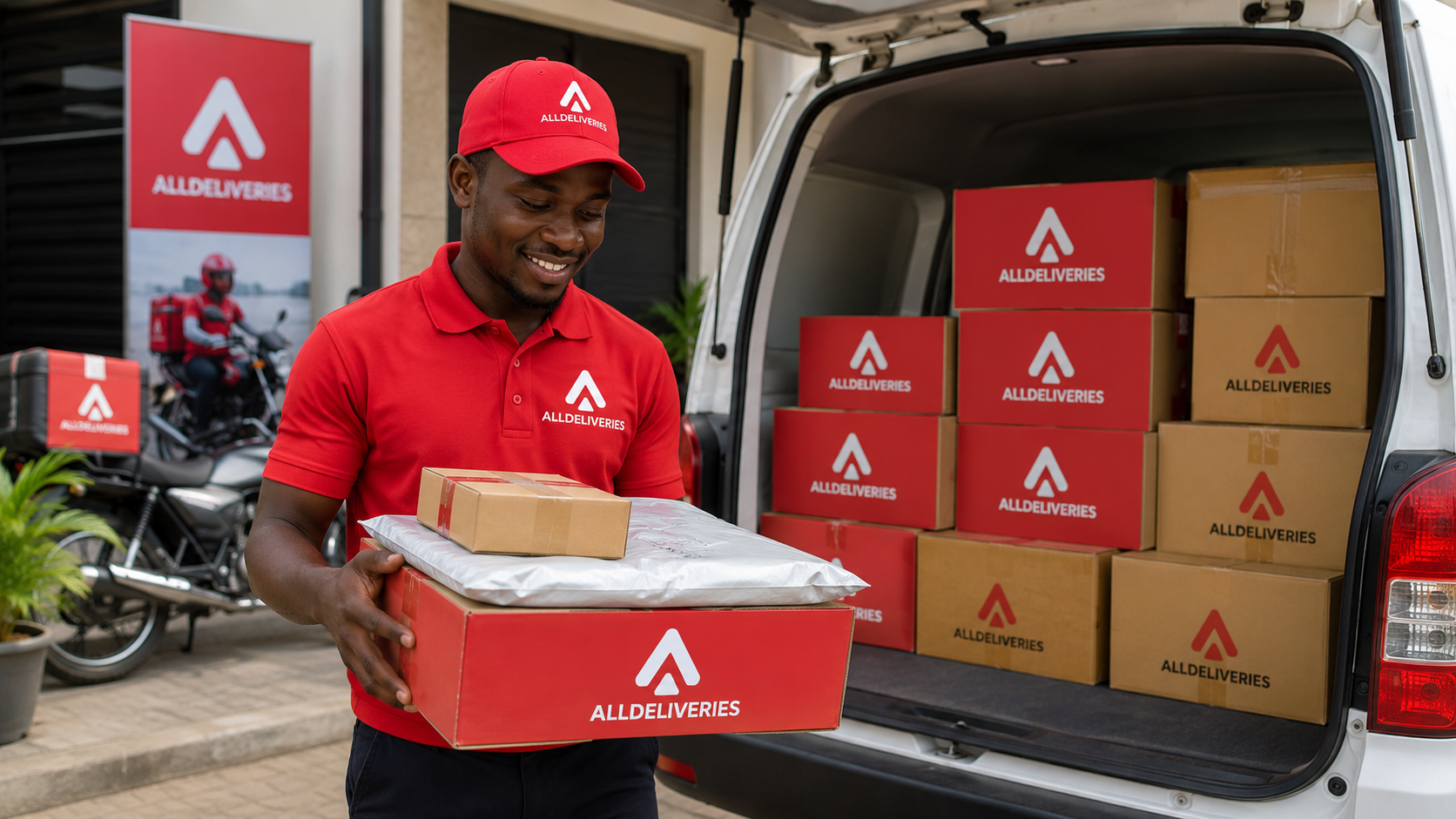
Many delivery issues occur because packages are poorly packed, incorrectly labeled, or not sealed properly. Fortunately, these problems are easy to avoid with a little planning and attention to detail.
This guide explains how to prepare your package for delivery, the materials you'll need, and the best practices to ensure a smooth shipping experience.
Services You May Like
Why Proper Package Preparation Matters
Your package may be transported through several locations before it reaches the recipient. During this journey, it may be stacked with other parcels, loaded into different vehicles, or handled multiple times.
Proper preparation helps to:
- Protect items from damage
- Prevent accidental opening during transit
- Reduce the risk of delays
- Improve delivery efficiency
- Make handling safer for courier personnel
A well-prepared package is more likely to arrive in the same condition in which it was sent.
Step 1: Choose the Right Packaging
The first step is selecting packaging that matches the type of item you're sending.
Common packaging options include:
- Cardboard boxes
- Padded envelopes
- Courier bags
- Bubble mailers
- Plastic containers for moisture-sensitive items
Choose packaging that is strong enough to support the weight of your items without bending, tearing, or collapsing.
If you're reusing a box, ensure it is still sturdy and remove any old shipping labels or barcodes.
Step 2: Protect the Contents
Items should fit securely inside the package.
Fragile items require additional protection to prevent movement during transportation.
Protective materials include:
- Bubble wrap
- Foam sheets
- Packing paper
- Air pillows
- Packing peanuts
Wrap each fragile item individually and fill any empty spaces inside the box. If the contents can move around when you gently shake the package, add more cushioning until everything is secure.
Step 3: Seal the Package Securely
Once your items are packed, close the package using strong packing tape.
For boxes:
- Tape the top and bottom seams.
- Reinforce the corners if the package is heavy.
- Ensure all openings are fully sealed.
Avoid using string, rope, or weak adhesive tapes, as they may not provide adequate protection during transportation.
Step 4: Label the Package Clearly
Clear labeling helps the courier deliver your package accurately and without unnecessary delays.
Include:
- Recipient's full name
- Complete delivery address
- Phone number
- Sender's full name
- Sender's contact number
If possible, add nearby landmarks or additional delivery instructions to help the courier locate the destination more easily.
Use waterproof labels or place paper labels inside a transparent adhesive sleeve if there is a chance the package may be exposed to rain.
Step 5: Check the Weight and Size
Delivery charges are often based on a package's weight and dimensions.
Before booking your shipment:
- Weigh the package.
- Measure its length, width, and height.
- Confirm that the information matches your booking details.
Providing accurate measurements helps avoid pricing adjustments or delivery delays.
Step 6: Remove Old Labels
If you are reusing a shipping box, remove or completely cover all previous labels, tracking numbers, and barcodes.
Old labels can confuse sorting systems and increase the risk of your package being sent to the wrong destination.
Step 7: Confirm the Delivery Address
Before sending your package, carefully verify the recipient's address.
Check that it includes:
- House or building number
- Street name
- Area or district
- City
- State
- Valid phone number
If the location is difficult to find, include nearby landmarks or special delivery instructions.
Accurate addresses help reduce failed delivery attempts.
Step 8: Identify Fragile or Sensitive Packages
If your shipment contains delicate items, clearly indicate that the package requires careful handling.
You can use labels such as:
- Fragile
- Handle with Care
- This Side Up
While careful packaging is still essential, these labels can alert handlers to take extra precautions.
Step 9: Keep Valuable Items Discreet
Avoid drawing unnecessary attention to valuable contents.
Do not write descriptions such as "Expensive Phone" or "Jewelry" on the outside of the package.
Instead, use a simple and accurate description during the booking process while keeping the exterior plain and professional.
Step 10: Keep Your Shipping Receipt
After booking your delivery, keep all shipment records until the package has been delivered successfully.
Important records include:
- Booking confirmation
- Tracking number
- Payment receipt
- Pickup confirmation
These details are useful if you need to contact customer support or check your shipment's status.
Common Packaging Mistakes to Avoid
Many shipping problems result from simple mistakes.
Avoid the following:
- Using damaged boxes
- Overfilling packages
- Leaving empty spaces inside the box
- Using weak tape
- Writing incomplete addresses
- Forgetting contact numbers
- Reusing boxes without removing old labels
- Failing to protect fragile items
Taking a few extra minutes to package your shipment properly can prevent costly damage or delays.
Tips for Sending Fragile Items
If you're shipping delicate items such as glassware, electronics, laboratory equipment, or ceramics:
- Wrap each item separately.
- Use multiple layers of protective cushioning.
- Fill all empty spaces inside the package.
- Use a sturdy double-wall box if necessary.
- Clearly identify the package as fragile.
Proper protection significantly reduces the risk of damage during transit.
Tips for Business Owners
Businesses that send products regularly should establish a consistent packaging process.
Good practices include:
- Using quality packaging materials.
- Standardizing box sizes.
- Printing clear shipping labels.
- Inspecting packages before dispatch.
- Keeping packaging supplies well stocked.
A professional packaging process improves customer satisfaction and strengthens your brand image.
Frequently Asked Questions
Can I reuse old shipping boxes?
Yes, provided the box is clean, undamaged, and all previous shipping labels have been removed or covered completely.
Do I need bubble wrap for every package?
No. Bubble wrap is mainly recommended for fragile or easily damaged items. Durable items may only require secure packaging with minimal cushioning.
Should I include my contact information?
Yes. Including both the sender's and recipient's phone numbers makes it easier for the courier to resolve delivery issues if they arise.
What should I do if my package is unusually heavy?
Use a strong box designed for heavier loads and reinforce it with durable packing tape. Ensure the package can be lifted safely without breaking.
Final Thoughts
Preparing your package properly is one of the simplest ways to ensure a safe and successful delivery. By choosing the right packaging, protecting the contents, sealing the parcel securely, labeling it accurately, and verifying all shipment details, you can greatly reduce the chances of damage or delivery delays.
Whether you're sending a personal parcel or fulfilling customer orders, taking the time to prepare your package correctly helps protect your shipment and creates a smoother delivery experience for both you and the recipient.
Comments
No comments yet. Be the first to comment.