Product damage during delivery can be costly for businesses. A customer who receives a broken, scratched, leaking, or otherwise damaged product may request a replacement, seek a refund, or leave a negative review.
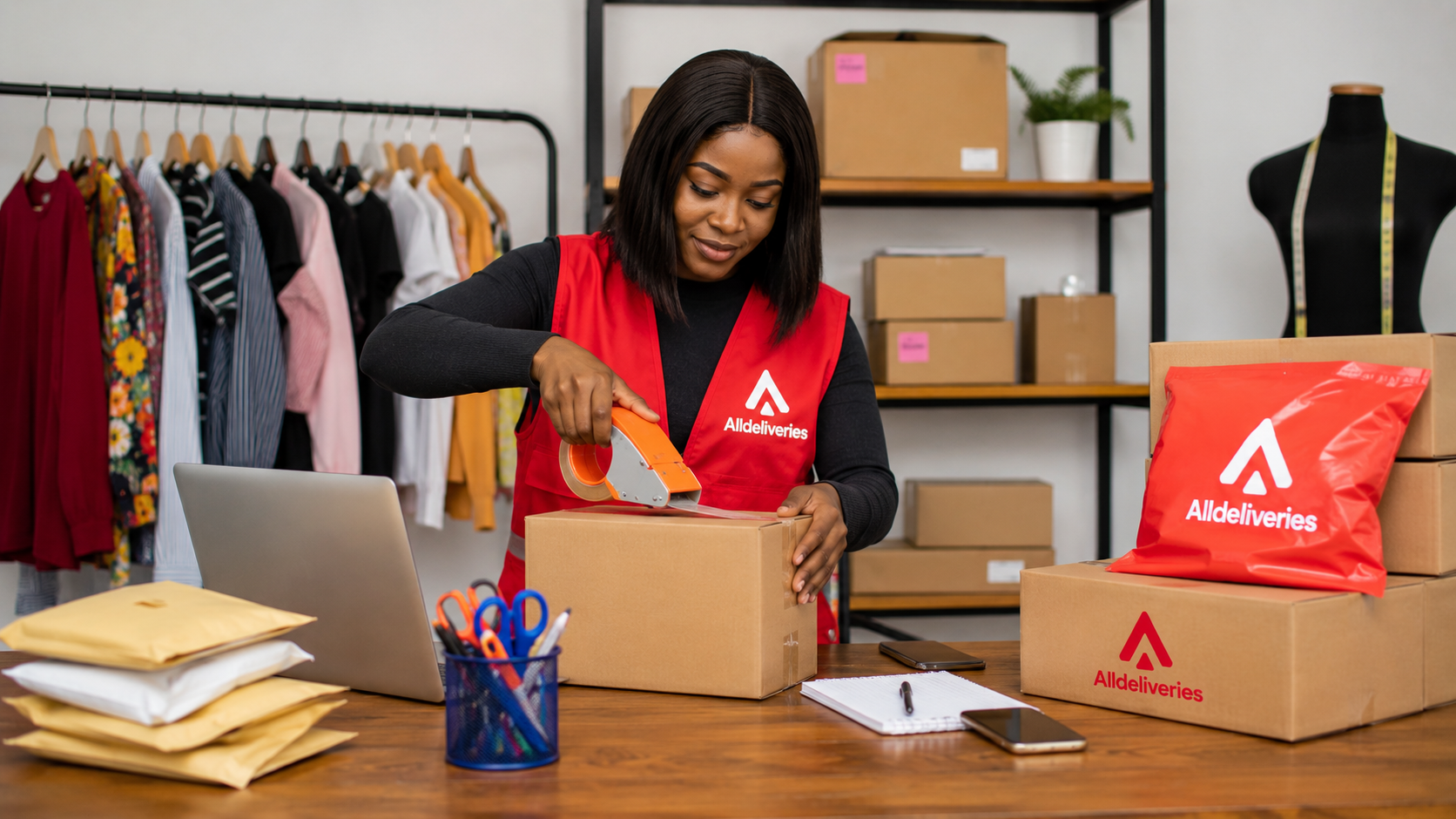
For e-commerce businesses and online sellers, preventing damage should therefore be a priority. Proper packaging, careful handling, accurate order preparation, and reliable delivery processes can significantly reduce the risk of products being damaged before they reach customers.
The goal is not simply to package products attractively. It is to make sure every order is protected throughout the delivery journey.
Services You May Like
Why Product Damage Happens During Delivery
Packages can be exposed to different risks after leaving a business. Common causes of damage include:
-
Poor-quality packaging.
-
Insufficient cushioning.
-
Excessive movement inside the package.
-
Heavy items being placed on fragile products.
-
Improper stacking.
-
Rough handling.
-
Moisture exposure.
-
Weak or damaged boxes.
-
Incorrect packaging for the product type.
Understanding these risks makes it easier to develop a better packaging and delivery process.
1. Choose Packaging Suitable for the Product
Different products require different levels of protection.
For example, clothing may be suitable for a durable mailer, while glassware may require a strong box, cushioning, and internal separators.
Consider the product's:
-
Weight.
-
Size.
-
Shape.
-
Fragility.
-
Material.
-
Sensitivity to moisture.
-
Value.
Using packaging specifically suited to the product can significantly reduce the risk of damage.
2. Use Strong and Undamaged Boxes
The outer box provides the first layer of protection against external pressure and impact.
Avoid using boxes that are:
-
Torn.
-
Wet.
-
Crushed.
-
Weak.
-
Excessively worn.
For heavier products, use packaging with sufficient strength to support the product during transportation.
A strong box is especially important when packages may be stacked during delivery.
3. Add Enough Cushioning
Cushioning helps absorb shocks and prevents products from making direct contact with the sides of the box.
Depending on the product, suitable materials may include:
-
Bubble wrap.
-
Foam.
-
Packing paper.
-
Air cushions.
-
Protective inserts.
Place cushioning around the product, including beneath and above it where appropriate.
Fragile products may require several protective layers.
4. Prevent Products From Moving Inside the Package
Movement inside a package can cause products to collide with the box or with other items.
After placing the product inside the package, fill appropriate empty spaces with cushioning material.
Before sealing the package, gently check whether the contents move excessively. If they do, add suitable protective material.
The objective is to keep the product secure without applying unnecessary pressure.
5. Separate Multiple Products
When sending several products in one package, avoid allowing fragile items to come into direct contact with one another.
Use:
-
Dividers.
-
Individual wrapping.
-
Protective sleeves.
-
Separate boxes where necessary.
This is particularly important for glassware, ceramics, bottles, and other breakable products.
6. Protect Products From Moisture
Water and humidity can damage many types of products.
Products that are particularly sensitive to moisture may need an additional protective layer inside the outer package.
Depending on the product, this may include:
-
Sealed plastic packaging.
-
Waterproof liners.
-
Moisture-resistant outer packaging.
Make sure the protection is appropriate for the product and delivery conditions.
7. Package Fragile Products With Extra Care
Fragile products require additional protection because even moderate impacts can cause damage.
Examples include:
-
Glass.
-
Ceramics.
-
Mirrors.
-
Electronics.
-
Certain decorative products.
Wrap fragile items individually and provide cushioning around all vulnerable areas.
For particularly valuable or delicate products, consider using an inner box inside a larger outer box for additional protection.
8. Seal Packages Securely
Proper sealing prevents packages from opening during transportation.
Use strong packing tape and secure the main openings and other vulnerable areas of the box.
Before dispatching an order, check that:
-
The box is fully closed.
-
Tape is firmly attached.
-
The package has no exposed openings.
-
The contents cannot easily fall out.
9. Label Packages Appropriately
Clear labels can provide useful handling information.
Depending on the product, labels may include:
-
Fragile
-
Handle With Care
-
This Side Up
-
Keep Dry
Labels should complement proper packaging rather than replace it. A "Fragile" label cannot protect an item that has been inadequately cushioned.
10. Check Products Before Dispatch
A quality check before dispatch can prevent problems from becoming delivery complaints.
Before handing an order to a delivery provider, verify:
-
The product is in good condition.
-
The correct item has been selected.
-
Accessories are included where applicable.
-
The product is properly packaged.
-
The package is securely sealed.
-
The customer's delivery information is correct.
This simple inspection can prevent avoidable errors.
11. Avoid Overloading Packages
Putting too many products into one package can increase the risk of damage.
Overloaded boxes may:
-
Tear.
-
Collapse.
-
Become difficult to handle.
-
Put excessive pressure on individual products.
If an order is too large for one package, consider dividing it into multiple properly protected packages.
12. Choose a Reliable Delivery Partner
Packaging is only one part of protecting products.
The delivery partner also plays an important role in ensuring packages are handled appropriately.
When selecting a delivery provider, consider:
-
Reliability.
-
Package-handling practices.
-
Delivery coverage.
-
Tracking capabilities.
-
Customer support.
-
Experience with different product types.
A dependable delivery partner can help reduce handling-related damage.
13. Provide Accurate Handling Information
If a product has specific handling requirements, communicate them clearly.
For example, certain products may need to remain upright or be protected from moisture.
Providing appropriate information to the delivery team can help reduce avoidable handling problems.
14. Consider the Delivery Distance
The longer a package travels, the more handling it may experience.
Long-distance deliveries may require additional protection, especially for fragile or high-value products.
Businesses should consider the entire journey when deciding how much protection a product needs.
15. Test Your Packaging
Businesses should test packaging methods before using them for large numbers of customer orders.
Check whether:
-
The product remains secure.
-
The box is strong enough.
-
Cushioning is sufficient.
-
The package can withstand normal handling conditions.
Testing can reveal weaknesses and help businesses improve their packaging process.
Common Packaging Mistakes to Avoid
Businesses should avoid:
-
Using oversized boxes without sufficient cushioning.
-
Using weak boxes for heavy products.
-
Leaving fragile items loose.
-
Placing breakable products directly against each other.
-
Reusing damaged packaging.
-
Using insufficient protective material.
-
Sealing packages poorly.
-
Ignoring moisture protection when necessary.
-
Relying solely on fragile-item labels.
Good packaging requires the right combination of materials, preparation, and handling.
Benefits of Preventing Product Damage
Reducing product damage can benefit businesses in several ways.
Lower Replacement Costs
Fewer damaged orders mean fewer expenses related to replacements and refunds.
Higher Customer Satisfaction
Customers are more satisfied when their orders arrive safely and in good condition.
Fewer Complaints
Effective packaging reduces delivery-related customer complaints.
Better Reviews
A positive delivery experience can encourage customers to leave favorable reviews.
Stronger Brand Reputation
Consistently delivering products safely demonstrates professionalism and reliability.
More Repeat Purchases
Customers are more likely to buy again when they trust a business to handle their orders properly.
Final Thoughts
Preventing product damage during delivery requires more than putting products into boxes. Businesses need to consider the product type, use appropriate packaging materials, provide sufficient cushioning, secure packages properly, and work with reliable delivery partners.
A strong delivery process protects both the product and the customer experience. By investing in proper packaging and quality control, businesses can reduce losses, minimize complaints, improve customer satisfaction, and build a stronger reputation for reliable service.
The best delivery experience is one in which the customer receives exactly what they ordered, in excellent condition, and within the expected timeframe.
Comments
No comments yet. Be the first to comment.