Delivery is one of the most important parts of running a successful business, especially for e-commerce stores, online sellers, and businesses that rely on courier services. However, one of the biggest challenges many businesses face is failed deliveries.
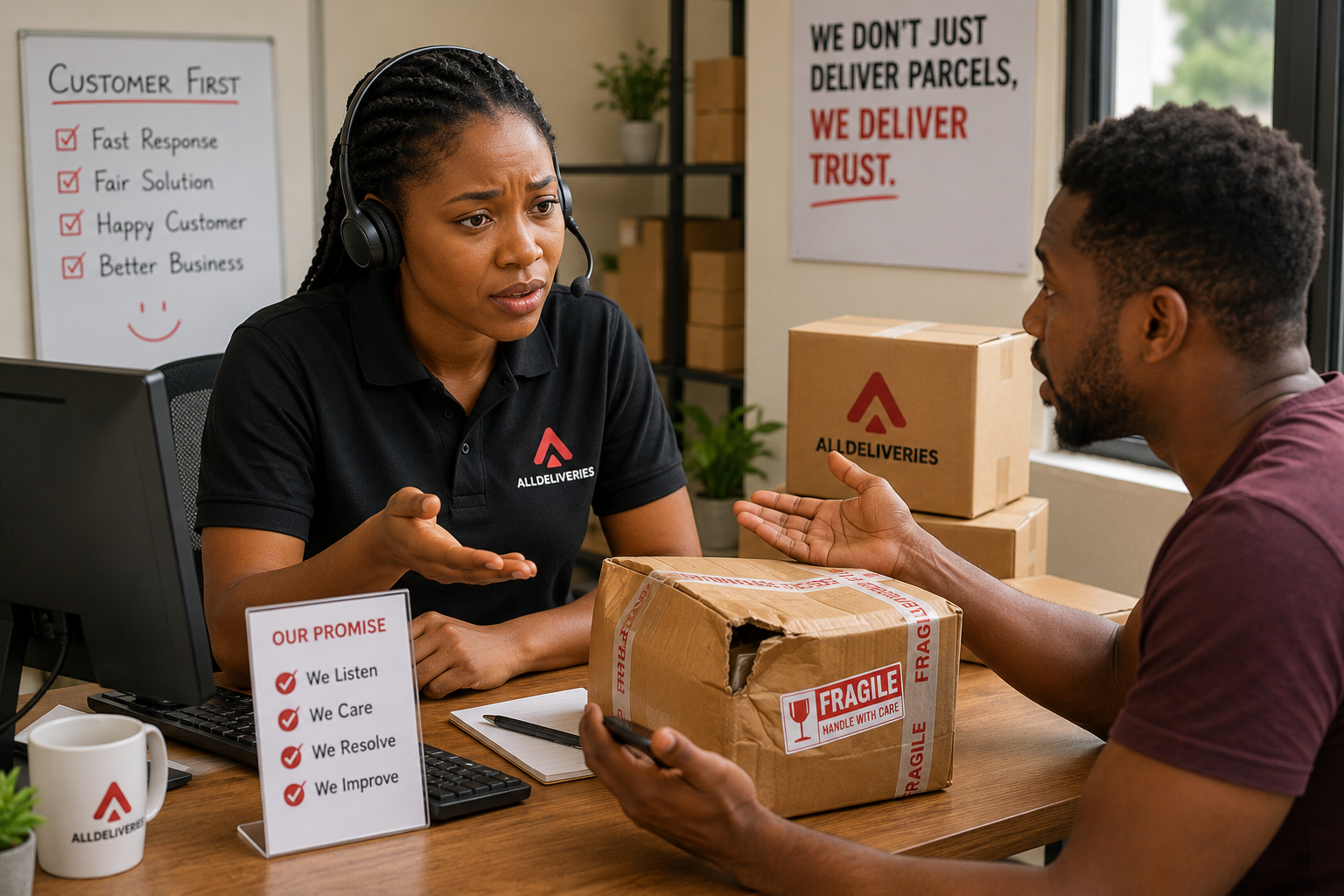
A failed delivery occurs when a package cannot successfully reach the intended customer. This can happen because of incorrect addresses, unavailable customers, poor communication, payment issues, or other logistical problems.
Failed deliveries cost businesses money, waste valuable time, affect customer satisfaction, and can damage a brand's reputation. For growing businesses, reducing delivery failures is essential for improving efficiency and maintaining happy customers.
Services You May Like
The good news is that many failed deliveries can be prevented with better planning, communication, and delivery management.
What Causes Failed Deliveries?
Before learning how to reduce failed deliveries, it is important to understand the common causes.
Some of the most frequent reasons include:
- Incorrect or incomplete delivery addresses.
- Customer unavailable at the delivery location.
- Wrong phone numbers.
- Customers refusing packages.
- Poor communication between businesses and customers.
- Lack of delivery instructions.
- Delayed dispatch.
- Poor coordination with delivery partners.
- Unexpected changes in customer location.
Identifying these problems helps businesses create better systems to prevent them.
1. Confirm Customer Details Before Dispatch
One of the simplest ways to reduce failed deliveries is to verify customer information before sending out an order.
Before handing a package to a courier, confirm:
- Customer's full name.
- Phone number.
- Delivery address.
- Landmark or nearby location.
- Product ordered.
- Quantity and specifications.
- Payment status.
A quick confirmation message can prevent costly mistakes.
For example:
"Hello, we are confirming your order delivery details. Please confirm that your address and phone number are correct before dispatch."
This small step can significantly improve delivery success rates.
2. Collect Accurate Delivery Addresses
Incorrect addresses are among the most common reasons deliveries fail.
Customers should provide enough information to help riders locate them easily.
A complete delivery address should include:
- House number.
- Street name.
- Area or neighbourhood.
- City.
- State.
- Nearby landmark.
- Additional directions if necessary.
Avoid accepting unclear addresses such as:
"Near the market" or "Around the junction."
Clear information saves time and prevents unnecessary delivery attempts.
3. Verify Customer Phone Numbers
A working phone number is essential for successful delivery.
Delivery personnel often need to contact customers when:
- They arrive at the location.
- They cannot find the address.
- They need additional directions.
- There is a delay or change.
Before dispatching an order:
- Confirm the phone number.
- Encourage customers to keep their phones available.
- Avoid relying on inactive or incorrect contact details.
A simple phone verification can prevent many failed deliveries.
4. Send Delivery Notifications
Customers should know when their orders are on the way.
Keeping customers informed helps them prepare to receive their packages.
Useful notifications include:
Order Confirmation
Inform the customer that their order has been received and processed.
Dispatch Notification
Let them know that the package has been handed over to the delivery partner.
Out-for-Delivery Update
Notify them that the rider is approaching.
Delivery Completion
Confirm that the package has been successfully delivered.
Good communication reduces missed deliveries and improves customer trust.
5. Provide Flexible Delivery Options
Not every customer is available at the same time.
Offering flexible delivery options can reduce failed attempts.
Options may include:
- Choosing preferred delivery times.
- Delivering to workplaces.
- Allowing customers to select convenient locations.
- Providing pickup options when necessary.
The easier it is for customers to receive packages, the higher the chance of successful delivery.
6. Work With a Reliable Delivery Partner
Your delivery partner plays an important role in successful deliveries.
A reliable courier should have:
- Experienced riders or drivers.
- Good communication.
- Proper tracking systems.
- Wide delivery coverage.
- Professional customer handling.
- Efficient problem-solving processes.
A poor delivery partner can increase failed deliveries even when your business has done everything correctly.
Choose logistics providers carefully based on reliability, not just price.
7. Provide Clear Delivery Instructions
Some locations can be difficult to find, especially in busy cities or areas with similar street names.
Encourage customers to provide additional directions, such as:
- Nearby landmarks.
- Building descriptions.
- Gate colours.
- Office names.
- Floor numbers.
- Security instructions.
Clear instructions help riders locate customers faster and avoid unnecessary delays.
8. Prepare Orders Quickly
Delays before dispatch can affect delivery success.
When customers wait too long after ordering, they may:
- Forget about the order.
- Become unavailable.
- Change their mind.
- Lose interest in receiving the package.
Businesses should process orders quickly and send them out within the promised timeframe.
Fast preparation helps create a smoother delivery process.
9. Confirm Cash-on-Delivery Orders
Cash-on-delivery (COD) orders can sometimes have higher failure rates because customers may change their minds before payment.
To reduce COD-related failures:
- Confirm orders before dispatch.
- Contact customers before delivery.
- Verify serious buying intent.
- Explain delivery expectations clearly.
Some businesses may also require partial payment for certain orders to reduce cancellations.
10. Package Products Properly
Failed deliveries do not only happen because customers cannot be reached. Sometimes packages fail because products arrive damaged.
Proper packaging helps prevent:
- Product breakage.
- Leakage.
- Missing items.
- Customer rejection.
Use suitable packaging materials based on your product type and ensure every order is checked before dispatch.
11. Keep Delivery Records
Tracking delivery information helps businesses identify problems and improve their process.
Important records include:
- Customer details.
- Delivery location.
- Courier information.
- Delivery status.
- Failed delivery reasons.
- Customer feedback.
By reviewing delivery records, businesses can identify patterns and fix recurring issues.
12. Have a Failed Delivery Procedure
Even with proper planning, some deliveries may still fail.
Businesses should have a clear process for handling unsuccessful attempts.
This may include:
- Contacting the customer.
- Scheduling another delivery attempt.
- Updating delivery instructions.
- Confirming address details again.
- Returning the package when necessary.
A structured approach prevents confusion and reduces losses.
13. Improve Customer Communication
Many failed deliveries happen because customers are not properly informed.
Businesses should communicate clearly about:
- Delivery timelines.
- Delivery fees.
- Expected arrival dates.
- Required payments.
- Contact procedures.
Customers who understand the process are more likely to cooperate during delivery.
14. Avoid Overpromising Delivery Times
While customers appreciate fast delivery, unrealistic promises can create problems.
For example, promising same-day delivery without considering:
- Distance.
- Traffic.
- Courier availability.
- Order volume.
may lead to disappointment and failed attempts.
Always provide realistic delivery estimates and update customers if unexpected delays occur.
15. Analyze Failed Deliveries Regularly
Businesses should not simply accept failed deliveries as unavoidable.
Review unsuccessful deliveries to understand:
- Why did the delivery fail?
- Which locations have more problems?
- Which courier performs better?
- Are customers receiving enough information?
Using this information allows businesses to improve their delivery strategy.
Benefits of Reducing Failed Deliveries
Reducing failed deliveries helps businesses achieve several benefits, including:
Lower Costs
Fewer failed attempts mean less spending on repeated deliveries, returns, and additional logistics expenses.
Better Customer Experience
Customers appreciate smooth and reliable delivery processes.
Higher Customer Trust
Reliable delivery improves confidence in your brand.
More Efficient Operations
Your team spends less time solving delivery problems.
Increased Sales
Satisfied customers are more likely to return and recommend your business.
Common Mistakes That Lead to Failed Deliveries
Businesses should avoid:
- Sending packages without confirming customer details.
- Using unreliable delivery services.
- Ignoring customer messages.
- Providing incomplete addresses to couriers.
- Failing to track delivery progress.
- Not preparing packages properly.
- Making unrealistic delivery promises.
- Having no process for handling failed attempts.
Avoiding these mistakes can greatly improve delivery performance.
Final Thoughts
Failed deliveries can be expensive and frustrating for both businesses and customers. However, many delivery problems can be prevented through better communication, accurate customer information, proper packaging, reliable delivery partners, and organized processes.
A successful delivery system is not only about moving packages quickly. It is about ensuring that every order reaches the right customer, at the right location, in the best possible condition.
By taking proactive steps to reduce failed deliveries, businesses can save money, improve customer satisfaction, and build a stronger reputation for reliable service.
Comments
No comments yet. Be the first to comment.