Choosing a courier service shouldn't be based on price alone.
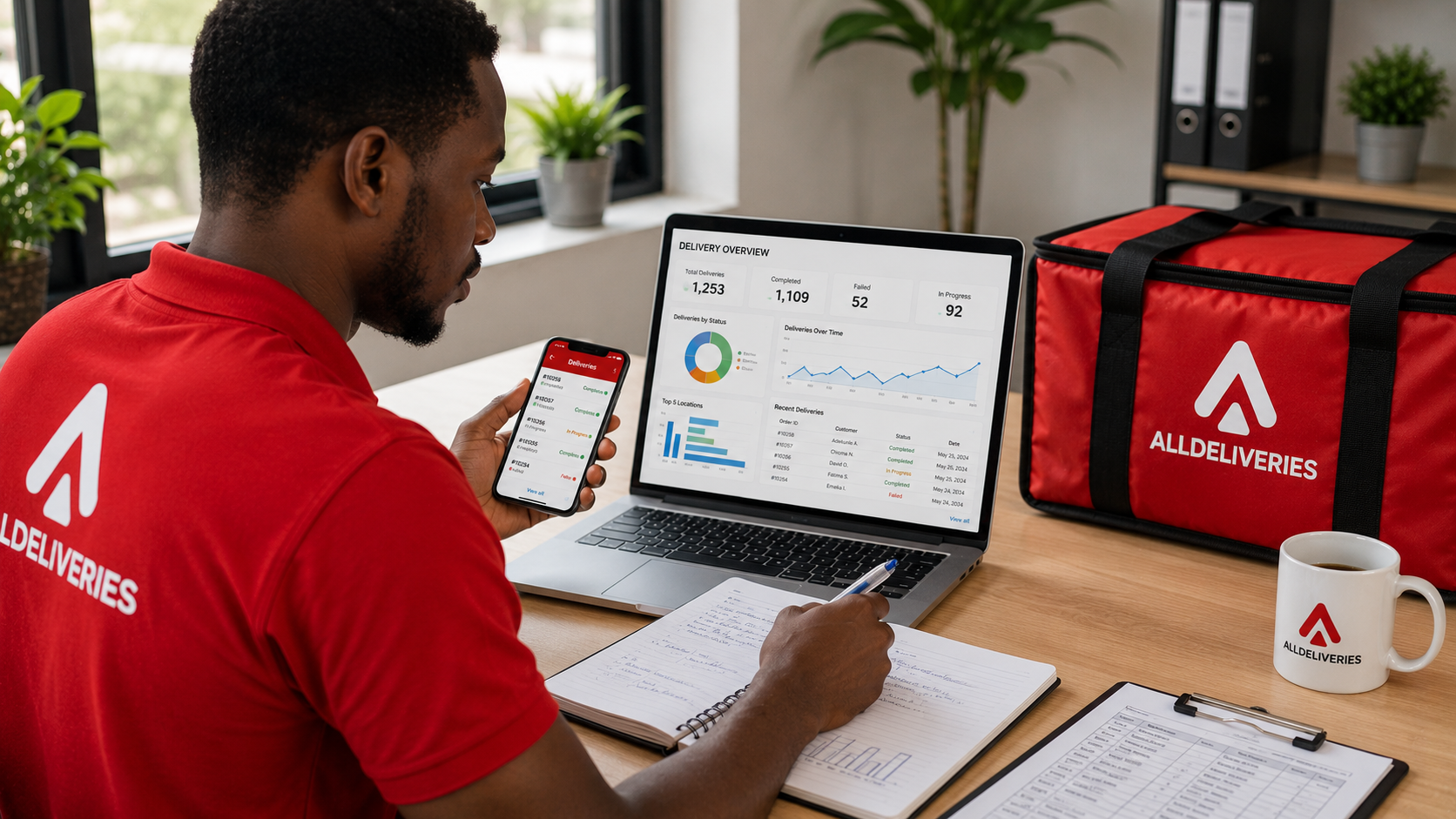
A company may offer attractive delivery rates, but that means little if packages regularly arrive late, tracking information is unreliable, or customer support is difficult to reach when something goes wrong.
Whether you're sending an occasional personal package or choosing a logistics provider for your business, asking the right questions before booking can help you avoid unnecessary problems.
Services You May Like
Here are the most important questions to ask before choosing a courier service.
1. Where Do You Deliver?
Start by confirming the courier's service coverage.
Some companies specialize in deliveries within a particular city, while others operate across multiple states or offer nationwide and international shipping.
Ask whether the courier delivers to your specific destination rather than assuming that every location is covered.
You should also find out whether additional charges apply to remote or difficult-to-reach areas.
2. How Long Will the Delivery Take?
Delivery speed is one of the most important considerations when choosing a courier.
Ask about the estimated delivery time for your particular route.
Available options may include:
- Same-day delivery
- Next-day delivery
- Express delivery
- Standard delivery
- Scheduled delivery
Remember that an estimated delivery time is not necessarily a guaranteed deadline unless the courier specifically states that it is.
If your package is time-sensitive, confirm the applicable cutoff times and service conditions before booking.
3. How Much Will the Delivery Cost?
Always understand the complete delivery charge before confirming your shipment.
Ask what factors determine the price.
These may include:
- Distance
- Package weight
- Package dimensions
- Delivery speed
- Destination
- Vehicle type
- Special handling requirements
Also ask whether there are additional charges for services such as redelivery, address changes, remote locations, waiting time, or returns.
Transparent pricing helps you avoid unexpected costs.
4. Can I Track My Package?
Tracking provides valuable visibility after your package leaves your hands.
Ask whether the courier provides tracking and how you can access it.
Depending on the company, tracking may be available through:
- Website
- Mobile application
- SMS notifications
- Email updates
- Customer support
Good tracking should help you understand the shipment's progress from pickup to final delivery.
5. Do You Provide Proof of Delivery?
Tracking tells you where a shipment is during transportation, while proof of delivery provides a record associated with the completed delivery.
Ask what type of delivery confirmation is available.
Depending on the courier, this may include:
- Recipient's signature
- Recipient's name
- OTP verification
- Delivery photograph
- Electronic confirmation
- Date and time of delivery
Proof of delivery can be especially useful for valuable packages and business orders.
6. How Do You Handle Lost Packages?
Even reliable courier companies can occasionally experience missing shipments.
Before booking, ask what happens if your package cannot be located.
Important questions include:
- How do I report a missing shipment?
- How long does an investigation usually take?
- What documents will I need?
- What compensation may be available?
- Are there liability limits?
Understanding the process beforehand can prevent confusion if a problem occurs.
7. What Happens If My Package Is Damaged?
Ask about the company's procedure for damaged shipments.
Find out:
- How quickly damage must be reported
- What evidence is required
- Whether photographs are needed
- Whether packaging requirements affect eligibility
- How claims are assessed
Remember that compensation policies vary between courier companies.
Proper packaging is still the sender's responsibility in many circumstances, so always prepare your shipment carefully.
8. Is Shipment Insurance or Additional Protection Available?
If you're sending an expensive item, ask whether additional protection or shipping insurance is available.
Find out:
- What risks are covered
- Maximum compensation available
- Items that are excluded
- Whether you must declare the item's value
- What documentation is required for a claim
Never assume that the courier will automatically reimburse the full value of a lost or damaged item.
9. What Items Are Prohibited or Restricted?
Not everything can be transported through a standard courier service.
Ask for the company's list of prohibited and restricted items before sending anything unusual.
Restrictions may apply to certain:
- Hazardous materials
- Flammable substances
- Chemicals
- Perishable goods
- Batteries
- Liquids
- High-value items
- Controlled or regulated goods
Restrictions depend on the courier, destination, transportation method, and applicable laws.
If you're unsure about an item, ask before booking.
10. How Should I Package My Shipment?
Different items require different levels of protection.
Ask whether the courier has specific packaging requirements.
For example, fragile goods may require:
- Strong boxes
- Bubble wrap
- Internal cushioning
- Reinforced sealing
- Special labeling
Following the courier's packaging requirements can reduce the risk of damage and may also be important if you later need to make a claim.
11. What Happens If the Recipient Is Unavailable?
Recipients aren't always available when the courier arrives.
Before choosing a service, ask what happens after an unsuccessful delivery attempt.
Depending on the company's policy, the courier may:
- Attempt delivery again
- Contact the recipient
- Hold the package for collection
- Return it to a facility
- Return it to the sender
Ask whether additional fees apply for another delivery attempt.
12. Can I Change the Delivery Address After Booking?
People occasionally enter the wrong address or need to redirect a package.
Ask whether address changes are permitted after dispatch.
Some couriers may allow changes before the package reaches the final delivery stage, while others may have stricter policies.
Additional fees or delivery delays may also apply.
13. How Can I Contact Customer Support?
Good customer support becomes particularly important when a delivery doesn't go according to plan.
Find out which support channels are available.
These might include:
- Telephone
- Live chat
- Mobile app
- Social messaging channels
You should also check the company's support hours.
A courier that communicates clearly can make resolving delivery problems much easier.
14. What Happens If My Delivery Is Delayed?
Ask how the courier handles delays.
A professional delivery company should be able to explain:
- How customers are notified
- How tracking is updated
- Who to contact for assistance
- What happens when a shipment misses its expected delivery window
Delays can occur because of traffic, weather, operational disruptions, incorrect addresses, or other circumstances.
What matters is how effectively the courier communicates and responds.
15. How Do You Verify Successful Delivery?
Different courier companies use different verification methods.
Ask how the company confirms that a package reached the correct destination.
Verification could involve:
- Signature
- OTP
- Recipient's name
- Photograph
- Electronic confirmation
For sensitive or valuable shipments, stronger verification may be particularly important.
16. What Are Your Return-to-Sender Policies?
Sometimes a package cannot be delivered.
Ask what happens if the shipment has to be returned.
Find out:
- When a package becomes eligible for return
- How long it may be held
- Whether the sender is contacted first
- Whether return transportation costs extra
Understanding these conditions beforehand can prevent unexpected charges.
17. Do You Handle Fragile or Special Packages?
If you're sending something delicate, oversized, temperature-sensitive, or otherwise unusual, don't assume a standard courier service can handle it appropriately.
Explain exactly what you're sending and ask whether the courier has the necessary handling procedures, vehicles, or service options.
For specialized goods, using the right logistics provider can be more important than finding the cheapest price.
18. Do You Offer Door-to-Door Pickup?
If convenience matters, ask whether the courier collects packages directly from your location.
Door-to-door services can eliminate the need to visit a courier office.
Also confirm:
- Pickup availability
- Pickup hours
- Any collection fees
- Areas covered
- How quickly a courier can arrive
19. What Payment Methods Do You Accept?
Confirm the available payment methods before booking.
Depending on the courier, these might include:
- Debit or credit cards
- Bank transfer
- Digital payment methods
- Business accounts
Businesses sending large numbers of packages should also ask whether consolidated billing or other commercial payment arrangements are available.
20. What Do Other Customers Say About Your Service?
A courier company's own promises are useful, but customer experiences can provide additional information.
Look for consistent feedback about:
- Delivery reliability
- Package handling
- Customer service
- Tracking accuracy
- Speed
- Claims handling
Don't judge a company based on a single positive or negative review. Look for patterns across multiple credible customer experiences.
Questions Businesses Should Ask
Businesses often have more complex logistics requirements than individual customers.
If you're selecting a courier for regular business deliveries, additional questions may include:
- Can you handle our expected daily or weekly delivery volume?
- Do you offer business pricing?
- Can customers receive automatic tracking notifications?
- Can our team manage multiple shipments from one account?
- How are returns handled?
- What reporting tools are available?
- Do you offer dedicated business support?
- Can your service scale as our order volume grows?
A courier that works well for five deliveries a week may not necessarily be suitable for hundreds of deliveries.
Don't Choose a Courier Based on Price Alone
The cheapest delivery option isn't always the most economical.
A very low delivery fee can become expensive if you regularly experience:
- Failed deliveries
- Lost packages
- Damaged goods
- Poor communication
- Unexpected charges
- Customer complaints
Instead, compare the overall value offered by the courier.
Consider reliability, delivery speed, tracking, customer support, coverage, package handling, and pricing together.
Warning Signs to Watch For
Be cautious if a courier service:
- Cannot clearly explain its pricing
- Provides no clear way to track shipments
- Has unclear lost-package procedures
- Cannot explain its service coverage
- Provides little information about claims
- Has consistently poor customer feedback
- Is difficult to contact before you've even booked
A professional courier should be able to explain its services and important terms clearly.
Frequently Asked Questions
What is the most important thing to consider when choosing a courier?
There isn't one factor that suits every shipment. Reliability, delivery speed, coverage, tracking, pricing, and customer support should all be considered based on your needs.
Should I always choose the cheapest courier?
No. Price is important, but reliability, package safety, delivery speed, and customer support can be equally important.
Is package tracking necessary?
Tracking is highly useful because it provides visibility into the shipment's progress and can help identify problems if delays occur.
Should I ask about compensation before sending valuable items?
Yes. Understand the courier's liability limits, claim procedures, and any available insurance or additional protection before shipping valuable goods.
Can one courier handle every type of delivery?
Not necessarily. Some companies specialize in local deliveries, while others are better suited to interstate, international, bulky, fragile, or specialized shipments.
Final Thoughts
Choosing the right courier service can make the difference between a smooth delivery and a frustrating experience.
Before handing over your package, ask about delivery times, coverage, pricing, tracking, proof of delivery, package protection, claims, customer support, prohibited items, and failed-delivery procedures.
For businesses, the decision deserves even more attention because the courier becomes an important part of the customer experience.
Don't simply ask, "How much does delivery cost?"
Also ask, "What happens after you collect my package?"
The answers will give you a much better idea of whether the courier is the right choice for your delivery.
Comments
No comments yet. Be the first to comment.